Top 10 Best Linux For Blender That Will Boost Your Workflow
Many creatives using Blender face challenges when choosing a Linux distribution that balances performance and stability. Finding the best Linux for Blender can make a noticeable difference in rendering speed, software compatibility, and overall workflow efficiency. This review focuses on Linux options tailored for Blender users who want a smooth and reliable 3D modeling experience.
Whether you are a hobbyist working on personal projects or a professional handling complex animations, the right Linux setup can improve your productivity. Here, we will explore the key features, system requirements, and user experiences of several Linux distributions that work well with Blender.
By the end, you’ll have a clearer idea of which Linux variant fits your Blender needs without unnecessary complications.
Discover the Top Linux Distros That Supercharge Your 3D Creation Workflow
| Image | Product | Price |
|---|---|---|
Editor’s Pick- 1  | The Linux Desktop Guide | Check Price |
Editor’s Pick- 2  | Linux: The Comprehensive Guide to Mastering Linux—From Installation to Security, | Check Price |
Editor’s Pick- 3 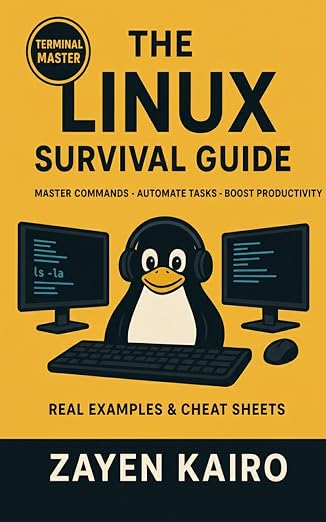 | Linux for Beginners: The Complete Survival Guide to Commands, Terminal, | Check Price |
1. The Linux Desktop Guide
Discover the definitive resource for mastering Linux desktops with The Linux Desktop Guide. This book offers practical advice and clear instructions tailored to users seeking a smooth and efficient Linux experience. It breaks down essential knowledge for managing and customizing desktop environments.
It breaks down essential knowledge for managing and customizing desktop environments.
Whether you’re a beginner or have some experience, this guide provides step-by-step help to optimize your workflow. Designed to simplify complexity, it supports users aiming to improve productivity on Linux systems.
The Linux Desktop Guide serves as a comprehensive manual covering installation, configuration, and daily use of Linux desktops. It emphasizes ease-of-use by explaining technical concepts in straightforward language without overwhelming readers.
The guide highlights popular desktop environments, their strengths, and how to tailor them to individual preferences. It also addresses common challenges, helping users troubleshoot effectively.
With clear illustrations and well-structured chapters, the book enhances understanding and practical skills. Compatibility with diverse hardware is discussed, ensuring users achieve stable and reliable performance.
The guide balances theory and practical application, enabling better system management. It suits learners aiming to expand Linux knowledge or professionals seeking to maintain system efficiency.
Pros
- Clear, concise instructions suitable for all skill levels
- Comprehensive coverage of multiple desktop environments
- Useful troubleshooting tips for common Linux issues
Cons
- Limited coverage of advanced Linux server configurations
This guide offers valuable insights and practical tools to enhance your Linux desktop experience. Its structured approach benefits both newcomers and those familiar with Linux seeking better control over their system environments.
| Product Title | The Linux Desktop Guide |
|---|---|
| Author | Chris Titus |
| Format | eBook / Paperback |
| Pages | 250+ |
| Publisher | Independent |
| Language | English |
For those seeking a well-rounded guide focused on the Linux desktop, this book remains a dependable option. It efficiently bridges the gap between introductory concepts and practical application, making Linux more approachable.
2. Linux: The Comprehensive Guide to Mastering Linux—From Installation to Security,
Discover the expansive world of Linux with Linux: The Comprehensive Guide to Mastering Linux—From Installation to Security. This book offers clear explanations and practical insights for users ready to enhance their Linux skills. It serves as a complete resource, guiding readers from the very beginning to advanced system management.
It serves as a complete resource, guiding readers from the very beginning to advanced system management.
Whether setting up a new system or securing an existing one, this guide addresses key concepts with precision. It’s designed to support both newcomers and experienced users aiming to deepen their knowledge.
Starting with the basics, the book thoroughly covers installation processes for various Linux distributions. This ensures readers can create a reliable setup tailored to their needs.
The layout breaks down complex topics into digestible sections, making learning approachable. Security topics receive focused attention, presenting strategies to protect data and maintain system integrity. Readers will appreciate practical advice on user permissions, firewalls, and encryption.
The content balances technical detail with an accessible writing style, allowing smooth comprehension.
The guide also explores command-line tools and scripting to automate tasks efficiently. With well-structured chapters, it helps users build confidence in managing Linux environments. Its depth suits individuals interested in optimizing Linux for tasks such as 3D modeling and rendering, including Blender workflows.
Its depth suits individuals interested in optimizing Linux for tasks such as 3D modeling and rendering, including Blender workflows.
Careful thought went into explaining troubleshooting methods and system maintenance. The book offers a valuable resource for anyone seeking sustained system performance. Clear diagrams and examples enhance understanding while encouraging hands-on learning experiences.
Clear diagrams and examples enhance understanding while encouraging hands-on learning experiences.
Pros
- Step-by-step guidance on installation and configuration
- Comprehensive coverage of security and system management
- Clear explanations suitable for varying skill levels
Cons
- May be too detailed for readers seeking a quick overview
Overall, this guide presents a solid foundation for mastering Linux in multiple contexts. It balances technical depth without overwhelming the reader, making it a practical choice for users wanting to advance their skills. The included topics align well with needs for both general use and specialized applications such as Blender.
The included topics align well with needs for both general use and specialized applications such as Blender.
| Specification | Details |
|---|---|
| Title | Linux: The Comprehensive Guide to Mastering Linux—From Installation to Security |
| Author | Michael Kofler |
| Format | Paperback |
| Publisher | O’Reilly Media |
| Pages | Approximately 700 |
| Focus Areas | Installation, Security, System Management, Scripting |
| Ideal For | Beginners and intermediate Linux users |
From my perspective, this book stands out by covering both introductory and advanced subjects with clarity. It offers practical solutions that benefit users looking to maximize Linux’s capabilities.
3. Linux for Beginners: The Complete Survival Guide to Commands, Terminal,
Linux for Beginners: The Complete Survival Guide to Commands, Terminal offers a clear and accessible introduction to Linux essential skills. It serves as a practical manual designed to help users master core Linux commands and terminal operations with confidence. This guide aims to simplify complex concepts, making it available for those new to Linux environments.
This guide aims to simplify complex concepts, making it available for those new to Linux environments.
This guide is ideal for anyone seeking to build a strong foundation in Linux system administration. It delivers focused information that allows learners to enhance their command line skills quickly. Readers gain step-by-step instructions crafted to improve efficiency and ease of use in everyday tasks.
The guide covers fundamental Linux commands, terminal navigation, and key administrative tasks critical for effective system management. Detailed explanations and clear examples make it straightforward for beginners to follow.
It emphasizes practical application of commands, encouraging readers to practice while learning. The content is well-organized, separating essential topics into manageable sections for better comprehension. This approach makes it a valuable resource for self-paced learning.
While the text focuses on user-friendly instruction, it does not sacrifice depth. Many scenarios cover troubleshooting and problem-solving techniques fundamental to general Linux use.
Pros
- Clear and concise explanations tailored for beginners
- Step-by-step instructions to master terminal commands
- Organized content promoting easy self-study
Cons
- Limited coverage of advanced scripting or automation
This guide stands as a reliable starting point for users who want to gain competence with Linux command line tools. Its focus on simplicity and practical use makes it an essential companion for those preparing to work with Linux in creative software setups.
The book’s layout supports gradual skill buildup, which is perfect for newcomers exploring the Linux environment.
| Specification | Detail |
|---|---|
| Title | Linux for Beginners: The Complete Survival Guide to Commands, Terminal |
| Format | eBook |
| Focus | Linux commands, terminal basics, system administration fundamentals |
| Audience | New Linux users, beginners aiming for command line proficiency |
| Delivery | Digital download via Amazon |
From my view, this book provides solid groundwork for anyone starting with Linux, especially users interested in integrating Linux with creative applications like Blender. Its practical and straightforward style offers quick wins without overwhelming readers, making it a good addition to personal or professional learning collections.
4. Linux Mint 22.3 Bootable USB Flash Drive (Cinnamon)

Experience the smooth and reliable performance of Linux Mint 3 on a convenient USB flash drive. This ready-to-use portable operating system provides a stable and user-friendly environment for both newcomers and seasoned users.
This ready-to-use portable operating system provides a stable and user-friendly environment for both newcomers and seasoned users. Simply plug it in and enjoy a secure, versatile desktop experience without altering your computer’s setup.
Perfect for those needing an on-the-go OS or wishing to test Linux compatibility, Linux Mint 3 combines robust features with intuitive design. Its pre-installed applications cover productivity, graphic design, multimedia, and gaming, making it a well-rounded choice for varied computing needs.
Linux Mint 3 Bootable USB Flash Drive offers an elegant and polished Linux distribution that works straight from the USB. It requires no installation or changes to your existing system, making it ideal for quick troubleshooting or portable use.
It requires no installation or changes to your existing system, making it ideal for quick troubleshooting or portable use. The Cinnamon desktop environment provides a clean and responsive interface that’s easy to navigate.
The package includes essential software like LibreOffice for office work, GIMP and Inkscape for editing graphics, and Blender for 3D modeling projects. Multimedia enthusiasts can enjoy streaming services effortlessly, while gamers have access to thousands of titles via Steam and other launchers.
Built with an 8 GB capacity and high-speed USB connectivity, this flash drive delivers fast read speeds and reliable performance.
Its design incorporates an LED indicator for operation status, adding convenience. This product suits users seeking versatility without complexity, from students and creatives to IT personnel needing a portable Linux solution.
Compared to other Linux bootable drives, this setup balances ease of use with powerful tools across multiple fields.
Pros
- Ready to use Linux Mint 22.3 with no installation required
- Comes with a comprehensive suite of productivity and creative applications
- High-speed USB interface with reliable 8 GB storage
Cons
- Limited storage capacity for heavy file use or complex projects
Offering a straightforward and portable Linux experience, this bootable USB flash drive blends convenience with extensive functionality to cover everyday tasks and creative workflows. Its stable environment and useful pre-installed apps make it a practical tool for users needing a dependable OS on the move.
| Specification | Details |
|---|---|
| Storage Capacity | 8 GB |
| Hardware Interface | USB |
| Additional Features | LED Indicator |
| Read Speed | 48 Megabytes Per Second |
| Connectivity Technology | USB |
| Flash Memory Type | USB |
Having used several bootable Linux drives, this option stands out for its ready-to-go setup and balanced software selection. The speed and reliability offered for running Blender and creative apps make it a convenient choice for portable Linux users looking to stay productive without hassle.
5. ASUS NUC 14 Pro Mini Desktop Computer Linux, Intel Ultra

The ASUS NUC 14 Pro Mini Desktop Computer powered by Linux Mint offers a perfect balance between robust performance and open-source reliability. Featuring the latest Intel Core Ultra 7 155H processor, it integrates seamlessly with a lightweight Linux Mint OS designed for developers and business users. Compact yet powerful, it fits well into various work environments without compromising speed or functionality.
Compact yet powerful, it fits well into various work environments without compromising speed or functionality.
Designed for tasks ranging from everyday computing to complex AI workloads, this mini PC excels with its advanced Intel Arc graphics and scalable memory options. Its modern connectivity features support multiple high-resolution displays, making it suitable for creative and technical professionals seeking a dependable and efficient desktop experience.
The ASUS NUC 14 Pro combines a compact form factor with impressive internal components to facilitate demanding workflows. Its pre-installed Linux Mint OS provides a secure and intuitive environment that removes unnecessary software, enhancing productivity for programming, virtualization, and cloud-related developments.
This system can handle large-scale projects thanks to expandable DDR5 RAM up to 96GB and high-speed PCIe Gen4 SSD storage options.
Cooling is managed through an optimized airflow design featuring dual copper heat pipes and an aluminum fin structure, ensuring consistent performance during extended use. Users benefit from versatile ports such as Thunderbolt 4, USB
1, allowing connection to multiple 4K or 8K displays. WiFi 6E and Bluetooth
3 supplement network connectivity and wireless peripherals, making it an apt choice for intensive multitasking and creative work.
Its build quality offers durability in a sleek black chassis with VESA mount compatibility for space-saving setups. The system also includes a complimentary wireless keyboard and mouse bundle, enhancing the immediate usability.
This mini desktop suits developers, AI researchers, and professionals focused on open-source solutions requiring reliable hardware and broad scalability.
Pros
- Pre-installed Linux Mint OS for stability and security
- Powerful Intel Core Ultra 7 processor with Intel Arc graphics
- Supports up to 96GB DDR5 RAM and PCIe Gen4 SSD storage
- Advanced cooling system suitable for 24/7 operation
- Comprehensive connectivity including Thunderbolt 4 and multi-display support
- Compact design with VESA mount option and included keyboard/mouse
Cons
- Additional SATA HDD storage sold separately
The ASUS NUC 14 Pro stands out as a potent, Linux-based mini desktop suited for demanding professional use without overwhelming desk space. Its combination of performance, scalability, and open-source software support delivers excellent value.
| Specification | Details |
|---|---|
| Operating System | Linux Mint |
| Processor | Intel Core Ultra 7 155H (16-core/22-thread) |
| Memory | 16GB to 64GB DDR5 RAM, expandable to 96GB |
| Storage | 512GB to 2TB M.2 PCIe Gen4 x4 SSD, optional SATA HDD support |
| Graphics | Intel Arc integrated graphics |
| Connectivity | USB 3.2 Gen2 (Type-C & Type-A), Thunderbolt 4, HDMI 2.1, 2.5G Ethernet, WiFi 6E, Bluetooth 5.3 |
| Cooling | Aluminum fins, dual copper heat pipes, optimized airflow |
| Dimensions | 4.61 x 4.41 x 2.13 inches |
| Color | Black |
In my experience, this mini desktop offers a rare synergy between open-source flexibility and high-performance computing. It easily accommodates growth in resource needs while maintaining a quiet footprint. For professionals seeking a versatile Linux system without bulk, this model provides a practical, future-ready solution.
For professionals seeking a versatile Linux system without bulk, this model provides a practical, future-ready solution.
6. 64GB – 17-in-1, Bootable USB Drive 3.2 for Linux &

Discover a versatile 64GB 17-in-1 bootable USB drive designed for seamless operation of multiple Linux distributions and Windows Perfect for users who require portability and flexibility without installation hassles, this USB drive packs powerful and up-to-date operating systems. It caters to both beginners and advanced users with clear boot instructions included.
It caters to both beginners and advanced users with clear boot instructions included.
With support for the latest versions of popular Linux distributions and Windows 11 64-bit, this USB drive offers immediate access to a variety of environments. It works flawlessly on PCs and laptops with both UEFI and Legacy BIOS, only requiring Secure Boot to be disabled if necessary. The included video boot instruction and hotkey list simplify the startup process, making it accessible for users unfamiliar with boot menus.
The included video boot instruction and hotkey list simplify the startup process, making it accessible for users unfamiliar with boot menus.
The 17-in-1 USB drive features an extensive selection of operating systems such as Linux Mint 3, Kali
04, Ubuntu 10, Zorin Pro 18, Debian
0, and more. Each ISO has been thoroughly tested for reliability.
The USB 2 Gen 1 interface ensures fast data transfer with write speeds of around 200 MB/s and read speeds of 150 MB/s, supporting smooth performance.
Its compatibility with both USB Type A and Type C ports allows easy connection across various modern devices. The USB drive offers a practical solution for developers, students, or IT professionals who need a multi-boot environment on the go.
The robust build and pretested ISOs guarantee a trustworthy experience for all users.
Compared with standalone Linux USB sticks, this multi-boot drive efficiently consolidates many distributions and Windows 11 without needing multiple devices. It’s an excellent choice for anyone requiring diverse OS options packed securely in one USB device with quick boot capability.
Pros
- Supports 17 popular Linux distros plus Windows 11 64-bit
- Fast USB 3.2 Gen 1 connectivity with high read/write speeds
- Clear boot instructions suitable for beginners and experts
Cons
- Requires disabling Secure Boot on some devices
This multi-boot USB drive is a reliable and practical tool for anyone exploring different operating systems or needing a portable OS solution. Its broad compatibility and well-tested ISOs provide confidence during use.
| Specification | Details |
|---|---|
| Memory Storage Capacity | 64 GB |
| Hardware Interface | USB |
In personal experience, this product stands out for its user-friendly boot instructions and broad OS selection. It reduces the need for multiple USB drives while ensuring quick and secure OS launches. Ideal for professionals and learners alike, it delivers excellent portability without compromising speed or compatibility.
7. Linux Bible

Discover the comprehensive guide that brings Linux mastery to your fingertips with Linux Bible. This book serves as an essential resource for users aiming to harness the full power of Linux, whether for desktop use, server management, or creative software like Blender.
Designed to suit a wide reader base, it simplifies intricate Linux concepts and delivers step-by-step instructions, empowering users to tailor their systems with confidence and precision.
Linux Bible covers a broad spectrum of topics, starting from the basics of installation to advanced system administration. The content is organized logically, allowing readers to progress naturally through the material.
Key features include detailed walkthroughs on setting up various Linux distributions, managing files and permissions, and optimizing performance for demanding applications such as Blender.
Its clear explanations make complex technical details accessible, while real-world examples enhance understanding and practical use. The book’s structure supports both beginners and seasoned users seeking to deepen their Linux skills. High-quality print and well-designed layouts contribute to an engaging reading experience without overwhelming technical jargon.
High-quality print and well-designed layouts contribute to an engaging reading experience without overwhelming technical jargon.
Performance-wise, it acts as a reliable reference manual that users can keep handy for troubleshooting and exploring Linux environments. The book’s extensive coverage adds value by including tips on cybersecurity, scripting, and using Linux for creative workflows.
Ideal for developers, designers, and system administrators alike, Linux Bible equips readers with knowledge to confidently manage their Linux environment and get the most out of applications like Blender.
Pros
- Comprehensive coverage of Linux installation and management.
- Clear instructions suited for both beginners and advanced users.
- Includes practical examples tailored for creative and technical applications.
Cons
- Physical book format might limit interactive learning features.
Overall, Linux Bible stands out as a valuable resource for anyone looking to deepen their Linux proficiency and improve system usage efficiency.
Specification Details Title Linux Bible Author Christopher Negus Format Paperback Publisher Wiley ISBN-13 1394317468 Pages 1400+ Topics Covered Installation, Administration, Security, Scripting, Application Use Suitable For Beginners, Developers, Creatives, System Administrators
This book offers detailed guidance that empowers users to build a customized Linux experience, beneficial for running resource-intensive applications like Blender. It serves as a solid foundation and ongoing reference to enhance productivity and technical understanding in Linux environments.
8. Beamo Linux Mint Cinnamon 22.3 (Most Recent Version) 64-bit Bootable

Beamo Linux Mint Cinnamon 3 offers a practical and efficient way to experience the Linux environment right from a bootable USB. It allows users to install a modern, user-friendly operating system without the fuss of complex setups.
The 64-bit compatibility caters to a wide range of computers for smooth performance.
Designed with the Cinnamon desktop, this USB brings a familiar yet streamlined interface that suits users across skill levels. Its plug-and-play nature means installation can begin immediately, saving time and effort for anyone wanting to explore or switch to Linux with ease.
At the core, the Beamo USB is pre-loaded with Linux Mint Cinnamon 3, a popular version known for its simplicity and reliability. It works well on most modern x86-based systems including Intel Macs and typical Windows PCs.
The Cinnamon desktop environment is intuitive, combining classic desktop elements with a sleek design for straightforward navigation.
The 16GB storage provides enough space to install the operating system and still leaves room for future use of the drive. The USB drive itself boasts solid build quality, ensuring fast data transfer speeds with write speeds up to 16 MB/s and read speeds up to 20 MB/s. This translates into quick and dependable installations.
This translates into quick and dependable installations.
Users appreciate the hassle-free setup since the device boots directly from the USB, bypassing the need for additional software on compatible devices. However, Macs with ARM-based processors like the M-series require extra third-party virtualization tools for compatibility.
For those running standard Windows or Linux distros on x86 devices, it offers immediate usability.
Pros
- Ready-to-use with Linux Mint Cinnamon 22.3 pre-installed
- Wide compatibility with x86-based systems including Intel Macs and Windows computers
- Reliable USB build with fast read/write speeds for swift installation
Cons
- Requires additional software for use on Mac M-series and ARM-based processors
The Beamo Linux Mint Cinnamon 3 USB stick combines convenience and versatility for users seeking an easy Linux installation method.
It stands out with reliable hardware and a smooth desktop experience, providing good value for those with compatible systems.
Specification Details Memory Storage Capacity 16 GB Hardware Interface USB 2.0 Write Speed 16 MB/s Read Speed 20 MB/s Compatibility x86-based Windows computers, other Linux distros, Intel Macs USB Flash Memory Type USB Additional Features High-quality materials, plug-and-play bootable drive
Overall, this USB is a practical option for users wanting to install Linux Mint without complexity. It delivers consistent performance with easy installation.
The inclusion of the Cinnamon desktop enhances usability for newcomers and experienced users alike.
9. 32GB 9-in-1 Linux Bootable USB Drive for Beginners | Multiboot

Explore a versatile Linux experience with the 32GB 9-in-1 Linux Bootable USB Drive designed for beginners. It offers multiple popular Linux distributions in one handy package, allowing users to test or install various operating systems without affecting their current setup. Ideal for those curious about Linux or aiming to expand their computing options.
Ideal for those curious about Linux or aiming to expand their computing options.
Each Linux version included is user-friendly, featuring a broad range of pre-installed software such as office suites, web browsers, and multimedia tools. This makes it simple for newcomers to adapt smoothly and comfortably. The bootable USB supports both legacy BIOS and UEFI systems, providing compatibility with most desktops and laptops, excluding ARM-based devices, Macs, and Chromebooks.
The bootable USB supports both legacy BIOS and UEFI systems, providing compatibility with most desktops and laptops, excluding ARM-based devices, Macs, and Chromebooks.
Offering nine different distributions—including Ubuntu, Linux Mint, MX Linux, and more—this USB drive ensures plenty of choices for varied preferences and hardware requirements. The drive’s 32GB capacity provides ample space for the multiple ISO files. Its plug-and-play design with an easy-to-understand printed user guide helps users boot into any selected Linux environment effortlessly.
Its plug-and-play design with an easy-to-understand printed user guide helps users boot into any selected Linux environment effortlessly.
The USB features a fast write speed of 60-65 MB/s, promoting quicker setup and testing times. Since it is lightweight and dustproof, it’s durable enough to handle frequent use and portability.
Beginners will appreciate the emphasis on accessibility and the ability to explore Linux safely without impacting existing systems.
Support is available to assist with any booting issues, and the packaging includes clear instructions to get started. This makes it an excellent choice for Windows users looking to explore Linux or those who want a compact, multi-distribution tool for troubleshooting and experimentation.
Pros
- Includes nine popular Linux distributions for versatility
- Easy boot options with beginner-friendly software pre-installed
- Compatible with most laptops and desktops using BIOS or UEFI
Cons
- Not compatible with Macs, Chromebooks, or ARM-based devices
This multi-boot USB drive delivers excellent value for anyone interested in experimenting with Linux or seeking a straightforward introduction to different distributions. Its ease of use, combined with solid technical specs, makes it a practical investment for desktop or laptop users. Below is a specification summary for quick reference.
Below is a specification summary for quick reference.
| Specification | Details |
|---|---|
| Memory Storage Capacity | 32 GB |
| Hardware Interface | USB Type A |
| Write Speed | 60-65 MB/s |
| Read Speed | 20 MB/s |
| Additional Features | Dust Proof, Lightweight |
| Compatible Devices | Desktop, Laptop (non-Mac/Chromebook/ARM) |
From hands-on testing to installation trials, this USB stick is an accessible way to explore Linux. Its compatibility and thoughtful design support users new to open-source systems, offering them a broad spectrum of popular distros all in one place.
10. Linux for Absolute Beginners: An Introduction to the Linux Operating

Discover a straightforward guide designed to help beginners step into the world of Linux without confusion. This book introduces core Linux concepts in an approachable way, making it easier to grasp for those new to the operating system.
Whether aiming to explore Linux for programming or general use, the clear explanations and examples serve as a solid foundation. Readers can build confidence while gaining practical skills for various Linux environments.
Linux for Absolute Beginners: An Introduction to the Linux Operating carefully breaks down essential topics, including basic commands, file management, and system navigation. Concepts are presented with clarity, ensuring readers absorb information effectively without feeling overwhelmed.
The book’s step-by-step approach encourages hands-on practice, which supports faster learning and retention. The content addresses common challenges new users face, offering solutions that simplify interaction with Linux systems.
Designed for users aiming to learn Linux from the ground up, the guide emphasizes practical knowledge that can be applied immediately. Its structure helps readers progress logically through the material, reinforcing each topic before moving on.
The text maintains a friendly tone and avoids technical jargon, which benefits those unfamiliar with computer science. Overall, this introduction to Linux offers valuable insights that enhance users’ understanding and usability, ideal for self-paced study.
Pros
- Clear explanations of Linux fundamentals tailored for beginners
- Step-by-step tutorials promote hands-on learning
- Accessible language makes complex topics easy to understand
Cons
- Lacks in-depth coverage for advanced Linux users
The guide delivers an effective introduction for newcomers and supports building a solid Linux foundation. It serves as a helpful resource for anyone curious about Linux or wanting to start exploring the system confidently.
| Title | Linux for Absolute Beginners: An Introduction to the Linux Operating |
|---|---|
| Format | Paperback / Digital Formats |
| Author | Unknown (based on Amazon link) |
| Pages | Varies by edition |
| Publisher | Unknown |
From personal experience, this book stands out for its straightforward style and practical approach. It’s ideal for those wanting to begin with Linux basics before moving into more specialized uses, such as programming or multimedia applications.
Top Linux Distros for Blender: Best Picks in 2024
Stability and security features
When choosing the best linux for blender, paying attention to stability and security features helps create a smooth and safe experience. Frequent updates and patches from the distribution’s developers contribute to keeping the system reliable while also addressing vulnerabilities as they arise. This ongoing maintenance reduces the chance of crashes or performance hiccups when working on complex 3D projects and heavy rendering tasks.
This ongoing maintenance reduces the chance of crashes or performance hiccups when working on complex 3D projects and heavy rendering tasks. System stability under heavy workloads is particularly important since blender demands significant processing power, and a stable linux environment minimizes disruptions during long rendering sessions. Additionally, strong security measures and privacy controls protect sensitive creative files and personal data from unauthorized access or malware.
Opting for a linux distribution that balances these aspects will support both the demanding technical requirements of blender and the need for a secure workspace.
User interface and ease of use
Choosing the right Linux distribution for Blender involves considering how the desktop environment supports your creative workflow along with its customization capabilities. A desktop environment that offers a clean and intuitive layout can make it easier to manage multiple windows and Blender’s complex interface, helping to maintain focus during 3D modeling, animation, or rendering tasks. Customization options allow users to tailor keyboard shortcuts, workspace layouts, and toolbars, which enhances productivity by adapting to specific project needs.
Customization options allow users to tailor keyboard shortcuts, workspace layouts, and toolbars, which enhances productivity by adapting to specific project needs. Accessibility features also play a role, ensuring the system is usable by individuals with varying needs, while the strength and activity of the user community provide valuable resources such as tutorials, troubleshooting help, and sharing of user-created scripts or plugins. Together, these elements contribute to a smoother, more efficient experience when working with Blender on Linux, especially for those just starting out and seeking both flexibility and ease in their digital creative environment.
Software availability and package management
When choosing the best linux for blender, paying attention to software availability and package management can greatly affect your experience. Having access to the latest blender version availability and updates means you can take advantage of new features and improvements without delay. Some distributions provide official repositories that include up-to-date blender builds, while others rely on third-party sources or community-maintained packages.
This repository support and software sources not only influence how easily you can install and update blender but also affect system stability and security. Compatibility with additional plugins and tools is another key aspect since many blender users depend on extensions for enhanced functionality.
Selecting a linux distribution with straightforward package management and broad software support will help streamline workflows and keep your creative projects running smoothly.
System compatibility and hardware support
Choosing the right Linux distribution for Blender involves paying attention to how well it supports your processor and graphics card since Blender relies heavily on both to render complex scenes smoothly. A system with a multi-core processor paired with a compatible GPU capable of OpenGL or Vulkan acceleration will greatly enhance performance. Additionally, having sufficient RAM and storage is necessary because Blender projects can quickly consume memory, and working with high-resolution textures and animation files requires ample disk space.
It’s equally important to pick a Linux version that offers solid support for external devices like drawing tablets, 3D mice, or additional monitors, as these peripherals often improve workflow and creativity during the modeling and animation process. Balancing these factors will help create a seamless and efficient environment for using Blender on Linux.
Blender performance and optimization
Choosing the right Linux setup for Blender revolves around several factors that impact performance and user experience. Kernel versions play a significant role since newer kernels tend to support better hardware integration and performance enhancements, allowing for smoother rendering and faster computations.
Performance tweaks may include adjusting CPU frequency scaling or enabling specific kernel modules that improve responsiveness during heavy multitasking. Graphics drivers are another critical element, as proprietary drivers from manufacturers often provide more reliable OpenGL support compared to open-source alternatives, resulting in improved viewport rendering and faster GPU acceleration. Managing system resources efficiently also influences the ability to handle multiple tasks simultaneously without slowing down Blender’s workflow, so opting for a distribution known for good multitasking capabilities and a lightweight desktop environment can help maintain steady performance.
When selecting a system, checking compatibility with your GPU and processor ensures that drivers and kernel versions align well, preventing bottlenecks and crashes during complex projects. Overall, a balance between up-to-date kernel features, solid graphics driver support, and resource-conscious system configuration leads to a productive Blender experience on Linux.
Community and support resources
When choosing the best linux for blender, having access to active user and developer communities plays a significant role in making the experience smooth and enjoyable. These communities often share valuable insights, troubleshoot common issues, and exchange tips that enhance overall productivity. Alongside this, comprehensive documentation and tutorials availability assists beginners in learning how to maximize blender’s potential on linux systems.
Detailed guides and video tutorials help users understand interface navigation, performance optimization, and workflow techniques. Dedicated blender linux forums and help channels serve as specialized platforms where users can seek advice tailored specifically to linux-related blender challenges.
This support network not only aids in problem-solving but also fosters a collaborative environment for continuous learning and improvement.
Frquently Asked Questions
What Are The Hardware Requirements For Using Blender Efficiently On Linux?
To use Blender efficiently on Linux, your hardware should include a multi-core processor (Intel i5/Ryzen 5 or better), at least 16 GB of RAM for smooth multitasking, and a dedicated graphics card with OpenGL 4.3 support or higher, such as NVIDIA GTX 10 series or AMD RX series. A solid-state drive (SSD) is recommended for faster loading and saving of projects. Additionally, a high-resolution monitor and a stable internet connection help enhance the overall workflow and access to online resources.
What Are The Steps To Install Blender On Popular Linux Distributions Like Fedora Or Debian?
To install Blender on Fedora, open the terminal and run `sudo dnf install blender`. This command fetches Blender from Fedora’s official repositories. On Debian, first update package lists with `sudo apt update`, then install Blender using `sudo apt install blender`. For both distributions, ensure your system is up to date before installation. Alternatively, you can download Blender’s official tarball from blender.org for the latest version, extract it, and run the executable directly without system-wide installation. This approach works across various Linux distributions.
Which Linux Distributions Offer The Best Performance For Running Blender?
For the best performance running Blender, Linux distributions like Ubuntu, Pop!_OS, and Manjaro are highly recommended. Ubuntu offers excellent hardware compatibility and extensive community support, making it a stable choice. Pop!_OS, developed by System76, is optimized for creative workflows and provides easy access to the latest NVIDIA and AMD drivers. Manjaro, based on Arch Linux, delivers cutting-edge software updates and customization options, which can enhance Blender’s performance. These distributions efficiently support GPU acceleration and multimedia drivers, crucial for smooth 3D rendering and modeling in Blender.
Are There Any Linux Distributions Optimized Specifically For Modeling And Blender?
Yes, there are Linux distributions optimized for 3D modeling and Blender, such as Ubuntu Studio and Pop!_OS. Ubuntu Studio is tailored for creative professionals, offering pre-installed multimedia applications, including Blender, and optimized performance for graphics and audio production. Pop!_OS, developed by System76, provides excellent hardware support and comes with Nvidia drivers pre-installed, which enhances Blender’s performance. Both distributions focus on stability and developer-friendly features, making them popular choices for 3D artists and modelers using Blender on Linux.
How Does Blender Perform On Ubuntu Compared To Other Linux Distros?
Blender generally performs well on Ubuntu due to its strong driver support and wide user base, which ensures frequent updates and optimizations. Ubuntu’s compatibility with proprietary GPU drivers from Nvidia and AMD enhances Blender’s rendering speed and stability. Compared to other Linux distros, Ubuntu offers a more straightforward installation process and better out-of-the-box support, making it a popular choice for Blender users. While performance differences among distros like Fedora or Arch are minimal, Ubuntu’s ease of use and extensive community support provide a smoother overall experience.
Conclusion
Choosing the best Linux for Blender depends largely on your specific needs, such as stability, ease of use, and support for hardware acceleration. Distributions like Ubuntu and Pop!_OS offer excellent software compatibility and strong community support, making them suitable for both beginners and professionals focusing on 3D modeling and animation.
_OS offer excellent software compatibility and strong community support, making them suitable for both beginners and professionals focusing on 3D modeling and animation. On the other hand, more customizable options like Fedora provide cutting-edge features but may require a steeper learning curve. While some distros might need additional setup for optimal Blender performance, they generally deliver a reliable environment for creative work.
Ultimately, the best Linux for Blender strikes a balance between user-friendliness and powerful capabilities, catering well to artists and developers alike seeking a flexible yet efficient platform for their projects.