Top 13 Best Graphics Card For Blender That Will Blow Minds
Working with Blender can be demanding on your computer, especially when handling complex 3D models and animations. Choosing the right graphics card can make a noticeable difference in rendering speeds and overall performance.
This review is designed for artists, designers, and 3D modelers who want reliable hardware to support their creative process. We will explore several graphics cards that balance performance, cost, and features tailored to Blender’s needs.
By the end, you’ll have a clearer idea of which graphics card fits your specific requirements, whether you focus on rendering speed, viewport responsiveness, or smooth multitasking.
Unlocking Maximum Creative Power: Top GPU Choices to Elevate Your 3D Rendering Experience
| Image | Product | Price |
|---|---|---|
Top Choice- 1  | GIGABYTE Radeon RX 9070 XT Gaming OC 16G Graphics Card, | Check Price |
Top Choice- 2  | ASUS Prime AMD Radeon RX 9070 XT 16GB GDDR6 OC | Check Price |
Top Choice- 3 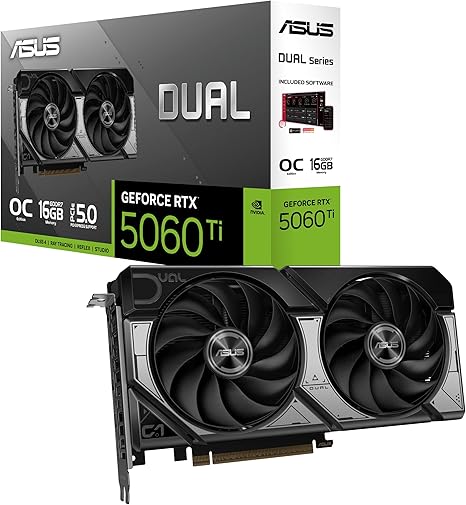 | ASUS Dual NVIDIA GeForce RTX 5060 Ti 16GB GDDR7 OC | Check Price |
1. GIGABYTE Radeon RX 9070 XT Gaming OC 16G Graphics Card,
Experience exceptional graphics performance with the GIGABYTE Radeon RX 9070 XT Gaming OC 16G Graphics Card. Designed to handle demanding tasks, it delivers stunning visuals and smooth rendering for both gaming and creative projects. Elevate your desktop’s capabilities with this powerful addition.
Built around the AMD Radeon RX 9070 XT graphics coprocessor, it provides a robust 16 GB GDDR6 memory that supports high-resolution work and detailed textures. The WINDFORCE Cooling System features Hawk fans and server-grade thermal conductive gel, ensuring efficient heat dissipation and consistency under heavy loads.
The card supports a blazing GPU clock speed of 3060 MHz complemented by a 2600 MHz memory clock, enhancing frame rates and rendering speed. With PCI-Express x16 interface compatibility, installation on compatible desktop systems is straightforward and reliable. Its four DisplayPort outputs can support up to 7680 x 4320 resolution, perfect for ultra-wide or multi-monitor setups.
RGB lighting adds a customizable visual flair that suits a variety of builds, creating an appealing balance between form and function. This graphics card is ideal for those who require powerful hardware for 3D modeling, video editing, or realistic gaming environments.
Pros
- High-performance AMD Radeon RX 9070 XT with 16GB GDDR6 memory
- Advanced WINDFORCE Cooling System for optimal temperature management
- Supports up to 7680 x 4320 ultra-high resolution output through DisplayPort
Cons
- The price point may be high for casual users or basic needs
The GIGABYTE Radeon RX 9070 XT Gaming OC delivers excellent graphical power suited for intensive applications. It balances performance and cooling efficiently, making it reliable for demanding tasks. Compact yet powerful, it stands out in its category with high-end specifications and solid build quality.
| Specification | |
|---|---|
| Graphics Coprocessor | AMD Radeon RX 9070 XT |
| Graphics Card RAM | 16 GB GDDR6 |
| GPU Clock Speed | 3060 MHz |
| Memory Clock Speed | 2600 GHz |
| Video Output Interface | DisplayPort |
| Maximum Display Resolution | 7680 x 4320 |
| Compatible Devices | Desktop |
| Graphics Card Interface | PCI-Express x16 |
Compared to other cards in its class, the Radeon RX 9070 XT offers a strong balance between raw performance and cooling technology. For users focusing on high-resolution rendering or modern gaming, this model provides stable performance without excessive noise.
2. ASUS Prime AMD Radeon RX 9070 XT 16GB GDDR6 OC
Experience powerful graphics performance with the ASUS Prime AMD Radeon RX 9070 XT 16GB GDDR6 OC. This card is engineered for high-demand creative tasks and smooth gaming, combining advanced cooling technology with robust hardware. Its design allows for quiet operation without sacrificing power.
Its design allows for quiet operation without sacrificing power.
Balancing innovative features and practical design, this graphics card meets the needs of content creators and gamers alike. The efficient thermal solutions keep the GPU cool, enabling sustained performance during intense workloads.
The ASUS Prime Radeon RX 9070 XT offers a compelling mix of performance and reliability for desktop users. It features Axial-tech fans with smaller hubs, enabling longer blades and a barrier ring that increases downward air pressure to enhance cooling efficiency.
This model’s 5-slot design promotes compatibility across various PC builds while supporting effective cooling.
Equipped with 16 GB of GDDR6 memory and a GPU clock speed of 4000 MHz, it handles rendering and complex graphics workloads effortlessly. Multiple display outputs, including three DisplayPort
1b, support high-resolution monitors with up to 7680 x 4320 resolution. Overall, it’s a strong choice for those needing robust graphics power and quiet efficiency in one package.
Pros
- Advanced cooling with Axial-tech fans and phase-change thermal pad
- Durable dual-ball fan bearings for longer lifespan
- Supports ultra-high resolutions up to 7680 x 4320
Cons
- 2.5-slot design may require larger PC cases
This graphics card delivers strong performance and quiet operation for demanding applications. Its combination of cooling innovations and memory capacity suits creative professionals and gamers needing high fidelity visuals.
Below is a detailed specification table for reference.
| Graphics Coprocessor | AMD RX 9070 |
|---|---|
| Graphics Card RAM | 16 GB |
| GPU Clock Speed | 4000 MHz |
| Video Output Interface | Native DisplayPort 2.1a x 3, Native HDMI 2.1b |
| Graphics RAM Type | GDDR6 |
| Compatible Devices | Desktop |
| Graphics Card Interface | PCI-Express x16 |
| Memory Clock Speed | 4000 MHz |
| Number of Fans | 3 |
| Display Maximum Resolution | 7680 x 4320 |
For users seeking a combination of powerful rendering capabilities and quiet operation, this ASUS model stands out. It performs exceptionally in both creative and gaming environments and offers solid build quality with thoughtful cooling solutions that support long-term use.
3. ASUS Dual NVIDIA GeForce RTX 5060 Ti 16GB GDDR7 OC
Experience exceptional graphics power tailored for creative professionals and gamers alike with the ASUS Dual NVIDIA GeForce RTX 5060 Ti 16GB GDDR7 OC. Designed to deliver stunning visuals and smooth performance, this graphics card elevates Blender projects and gaming experiences to the next level.
Equipped with cutting-edge NVIDIA technology, it handles demanding rendering tasks with speed and accuracy. Enjoy the blend of advanced cooling and robust processing for consistent results in any workload.
The ASUS Dual GeForce RTX 5060 Ti features a powerful NVIDIA Blackwell architecture that enhances rendering capabilities for 3D modeling and animation. Its 16GB of GDDR7 memory provides ample space to handle large textures and complex scenes without lag or slowdown. Clock speeds reach up to 2632 MHz in OC mode, ensuring high responsiveness and fluid frame rates.
Cooling is managed by the Axial-tech fan design, which includes smaller fan hubs, longer blades, and a barrier ring to boost downward airflow. This system maintains lower temperatures and quieter operation even during intensive workloads.
The dual-fan layout supports consistent airflow through the two-and-a-half slot configuration, improving durability under extended use.
Connectivity options include three DisplayPort 1b ports and one HDMI
1b port, allowing support for ultra-high resolutions up to 7680×4320 pixels. The PCI-Express x16 interface ensures fast data transfer speed with modern desktops. This card is well-suited for creative professionals who require reliable rendering power as well as gamers seeking immersive display quality.
Pros
- High-performance 16GB GDDR7 memory for complex projects
- Advanced Axial-tech fan design keeps temperatures low and noise minimal
- Supports multiple ultra-high resolution displays via DisplayPort and HDMI
Cons
- Relatively large size may require spacious PC cases for installation
Combining powerful architecture, efficient cooling, and generous memory, the ASUS Dual NVIDIA GeForce RTX 5060 Ti 16GB GDDR7 OC offers outstanding performance for creative workloads and gaming. Below is a quick overview of its key specifications for easy reference.
| Specification | Details |
|---|---|
| Graphics Coprocessor | NVIDIA GeForce RTX 5060 Ti |
| Graphics Card RAM | 16 GB GDDR7 |
| GPU Clock Speed | 2632 MHz (OC mode), 2602 MHz (Default) |
| Video Output Interface | DisplayPort 2.1b x3, HDMI 2.1b |
| Graphics Card Interface | PCI-Express x16 |
| Number of Fans | 2 (Axial-tech design) |
| Maximum Display Resolution | 7680 x 4320 pixels |
| Compatible Devices | Desktop |
This graphics card balances performance with efficient thermal design, making it a solid pick for 3D artists and gamers. Its capabilities handle detailed rendering and high-frame-rate gaming without difficulty.
4. PNY VCQRTX5000-PB Graphics Card Quadro RTX 5000 16 GB GDDR6

Experience superior visual rendering and compute performance with the PNY VCQRTX5000-PB Graphics Card. Designed to handle demanding creative and professional workloads, this NVIDIA Quadro RTX 5000 card offers 16GB of fast GDDR6 memory, making it well-suited for complex 3D projects and detailed simulations.
With a powerful PCI Express x16 0 interface and a memory clock speed of 1750 MHz, it swiftly processes high-resolution textures and large data sets. The card’s four DisplayPort outputs deliver crisp, multi-display setups that enhance productivity for digital artists and designers using Blender.
PNY’s Quadro RTX 5000 excels in delivering smooth, real-time rendering thanks to its advanced GPU architecture. The 16GB GDDR6 memory allows for efficient handling of large models and textures without lag or stutter.
Its single-fan cooling system manages heat effectively while operating quietly, ensuring stable performance during long work sessions.
Building on NVIDIA’s Quadro series, this card ensures compatibility with both desktop and laptop setups equipped with PCI Express slots. Artists working on Blender projects will appreciate the enhanced ray-tracing acceleration for realistic lighting effects.
Robust build quality combined with high-speed memory and multiple output options cater to professionals focused on 3D modeling, animation, and rendering tasks. Whether for intricate visual effects or large-scale simulations, this card strikes a balance between power and reliability, offering excellent value for specialized creative needs.
Pros
- 16GB of high-speed GDDR6 memory for intensive workloads
- Four DisplayPort outputs supporting multi-monitor setups
- Efficient single-fan cooling system ensuring quiet operation
Cons
- Higher power consumption requiring a robust power supply
The PNY VCQRTX5000-PB Graphics Card stands out as a reliable choice for users requiring serious rendering power and multi-display flexibility. Its combination of memory capacity, output options, and cooling efficiency make it ideal for professionals working in 3D rendering and Blender projects.
| Specification | Details |
|---|---|
| Graphics Coprocessor | NVIDIA Quadro RTX 5000 |
| Graphics Card RAM | 16 GB |
| Video Output Interface | DisplayPort (4 ports) |
| Graphics RAM Type | GDDR6 |
| Compatible Devices | Desktop, Laptop |
| Graphics Card Interface | PCI Express x16 3.0 |
| Memory Clock Speed | 1750 MHz |
| Number of Fans | 1 |
| GPU Series | NVIDIA Quadro |
This graphics card suits creative professionals aiming to elevate their 3D rendering efficiency without sacrificing display versatility. Compared to other cards in its class, it balances performance and reliability well.
For Blender users requiring sustained high memory performance, it offers a strong foundation with modern GPU features.
5. GIGABYTE GeForce RTX 5070 Ti Gaming OC 16G Graphics Card,

Delivering exceptional power and advanced technology, the GIGABYTE GeForce RTX 5070 Ti Gaming OC 16G Graphics Card is designed to elevate your graphics experience. Its blend of high-speed memory and efficient cooling makes it a standout choice for demanding creative tasks.
Equipped with NVIDIA’s latest Blackwell architecture and DLSS 4, this card handles complex rendering smoothly. The 16GB GDDR7 memory with a 256-bit interface ensures quick data transfer and high bandwidth for intensive workloads.
Boasting a PCIe 0 interface, it offers cutting-edge connectivity for seamless integration in modern desktops.
This guarantees stable performance while preventing overheating.
Clock speeds reach up to 2600 MHz, providing the necessary boost for rendering and gaming applications alike. Supporting up to 7680 x 4320 resolution, it is prepared for ultra-high-definition displays. The inclusion of DisplayPort and HDMI outputs allows versatility for multiple monitor setups.
Not only suited for gaming, this graphics card excels in Blender and other 3D software due to its robust GPU and memory specifications. Users seeking both creativity and powerful gaming performance will find great value in this model.
Pros
- Advanced NVIDIA Blackwell architecture with DLSS 4 support
- Efficient WINDFORCE cooling with triple fan design
- High-speed 16GB GDDR7 memory and PCIe 5.0 compatibility
Cons
- Higher power requirements may need compatible power supply units
The GIGABYTE GeForce RTX 5070 Ti Gaming OC 16G balances power and thermal management effectively. It presents a strong option for professionals and gamers needing reliable high-resolution rendering capabilities.
Its robust hardware and innovative cooling system ensure longevity and consistent output.
| Feature | Specification |
|---|---|
| Graphics Coprocessor | NVIDIA GeForce RTX 5070 Ti |
| Graphics Card RAM | 16 GB |
| GPU Clock Speed | 2600 MHz |
| Video Output Interface | DisplayPort, HDMI |
| Graphics RAM Type | GDDR7 |
| Compatible Devices | Desktop |
| Graphics Card Interface | PCI-Express x16 |
| Memory Clock Speed | 2600 MHz |
| Number of Fans | 3 |
| GPU Series | NVIDIA RTX 50 Series |
| Maximum Display Resolution | 7680 x 4320 |
Compared to other graphics cards in the RTX 50 series, this model stands out thanks to its superior cooling system and faster memory type. If you require consistent performance for both visual creativity and high-end gaming, this card makes a compelling choice with its blend of power and durability.
6. ASRock Radeon RX 9060 XT Challenger 16GB OC, RDNA 4,

Experience powerful performance and advanced technology with the ASRock Radeon RX 9060 XT Challenger 16GB OC. Designed to handle demanding applications, it delivers smooth visuals and accelerated workflows. Perfect for gaming or creative projects requiring high-quality graphics processing.
Featuring the latest AMD RDNA 4 architecture, this graphics card offers a perfect balance of speed and efficiency. Its sleek dual-fan design keeps temperatures controlled during extended use, making it reliable for intense workloads.
The ASRock Radeon RX 9060 XT Challenger stands out with its 16GB of GDDR6 memory on a 128-bit bus, ensuring ample bandwidth for complex textures and rendering tasks. Running at a rapid 3290 MHz boost clock, it confidently handles 1440p gaming and creative software demands. Its 32 compute units support 3rd generation ray tracing and 2nd generation AI accelerators, enhancing visual fidelity and computation speed.
Measuring 249mm by 132mm with a 2-slot form factor, it fits most desktop systems with a single 8-pin power connector. Users should confirm chassis space and a 550W power supply compatibility before installation.
The card’s multiple DisplayPort and HDMI outputs provide versatile monitor connectivity.
Overall, this model caters to users who require high-resolution rendering, smooth multitasking, and future-proofed performance. Whether building a workstation or upgrading a gaming rig, its combination of memory, clock speed, and modern architecture provide excellent value.
Pros
- Powerful RDNA 4 GPU with ray tracing and AI acceleration
- Generous 16GB GDDR6 memory for handling demanding textures
- High boost clock speeds ensuring smooth gameplay and rendering
Cons
- Requires a 550W power supply and space verification before installation
The ASRock Radeon RX 9060 XT Challenger delivers impressive graphics and compute power suited for both gamers and creative professionals. Its advanced features and substantial VRAM make it a solid choice when upgrading or building mid to high-end systems.
| Specification | Details |
|---|---|
| Graphics Coprocessor | AMD Radeon RX 9060 XT |
| Graphics Card RAM | 16 GB |
| GPU Clock Speed | 3290 MHz (Boost Clock) |
| Video Output Interface | DisplayPort, HDMI |
| Graphics RAM Type | GDDR6 |
| Compatible Devices | Personal Computer |
| Graphics Card Interface | PCI-Express x16 |
| Memory Clock Speed | 3290 MHz |
| Number of Fans | 2 |
| Display Maximum Resolution | 7680 x 4320 pixels |
In personal experience, this graphics card provides a reliable balance of performance and cooling for demanding applications. It suits users aiming to maximize their system’s graphical capabilities without moving into the highest price tiers. Its advanced features ensure it remains relevant for upcoming software enhancements.
Its advanced features ensure it remains relevant for upcoming software enhancements.
7. ASUS Dual NVIDIA GeForce RTX 5060 8GB GDDR7 OC Edition

Experience superior graphics performance with the ASUS Dual NVIDIA GeForce RTX 5060 8GB GDDR7 OC Edition. This graphics card combines powerful hardware and innovative cooling technology to deliver smooth visuals and high-speed rendering. It’s designed for those who demand reliable performance in demanding graphical tasks.
It’s designed for those who demand reliable performance in demanding graphical tasks.
Equipped with NVIDIA’s Blackwell architecture, this GPU enhances AI-driven applications and game visuals through DLSS 4 support. The dual Axial-tech fans efficiently manage temperatures by improving airflow, keeping the card cool during intense workloads. Users will appreciate the compact
Users will appreciate the compact 5-slot design, which blends easily into most desktop builds without sacrificing performance.
Built with 8GB of ultra-fast GDDR7 memory, the ASUS Dual RTX 5060 confidently handles high-resolution textures and complex 3D rendering. The GPU reaches a clock speed of up to 2565 MHz in OC mode, offering excellent responsiveness in both creative and gaming uses.
1b and HDMI 1b outputs, supporting resolutions up to 7680 x 4320 pixels to suit a variety of monitors.
The card’s construction prioritizes durability and thermal management without excessive noise, thanks to its carefully engineered axial fans featuring longer blades and a ring to boost downward airflow pressure. It fits into PCI-Express x16 slots, making it compatible with most modern desktop systems.
This model particularly suits users engaging in content creation, 3D modeling, and visual effects, where balancing power and efficiency is essential.
Pros
- Advanced AI performance with NVIDIA Blackwell architecture
- Efficient cooling via dual Axial-tech fans with barrier ring
- Supports high-resolution output up to 8K UHD
Cons
- Requires a spacious desktop case due to its 2.5-slot design
The ASUS Dual NVIDIA GeForce RTX 5060 offers a balanced mix of speed, memory, and thermal control. Its feature set positions it well for complex graphics tasks and immersive gaming. The combination of newer GDDR7 memory and next-gen connectivity makes it a strong choice for users upgrading to modern hardware.
The combination of newer GDDR7 memory and next-gen connectivity makes it a strong choice for users upgrading to modern hardware.
| Specification | Details |
|---|---|
| Graphics Coprocessor | NVIDIA GeForce RTX 5060 |
| Graphics Card RAM | 8 GB |
| GPU Clock Speed | 2535 MHz (Default), 2565 MHz (OC Mode) |
| Video Output Interface | DisplayPort 2.1b x3, HDMI 2.1b |
| Graphics RAM Type | GDDR7 |
| Compatible Devices | Desktop |
| Graphics Card Interface | PCI-Express x16 |
| Memory Clock Speed | 2535 MHz |
| Number of Fans | 2 |
| GPU Series | NVIDIA RTX 50 Series |
| Display Maximum Resolution | 7680 x 4320 pixels |
In my opinion, this graphics card stands out for delivering efficient performance in creative and gaming environments. It competes well with similar RTX 50 series models by offering effective cooling and solid clock speeds.
8. ASUS TUF Gaming GeForce RTX™ 5080 16GB GDDR7 OC Edition

Deliver outstanding graphics performance with the ASUS TUF Gaming GeForce RTX™ 5080 16GB GDDR7 OC Edition. Crafted around the NVIDIA Blackwell architecture, it offers an experience tailored for demanding graphics workloads.
Built for long-term use, military-grade components and protective PCB coating increase its durability. The enhanced cooling system with three Axial-tech fans keeps temperatures low and performance steady under pressure.
This graphics card blends innovation with robust construction suited for desktop users.
Designed to support high-resolution workflows, this model features 16GB of GDDR7 memory running at 2730 MHz. It achieves a GPU clock speed of 2730 MHz, delivering smooth frame rates and fast rendering times. Connection options include three DisplayPort
1a and two HDMI 1b ports, enabling multi-display setups or compatibility with the latest monitors.
The 6-slot cooler design incorporates a large fin array and Axial-tech fans for efficient heat dissipation.
Its durability is further enhanced by moisture- and dust-resistant coatings on the PCB.
Suitable for 3D artists, video editors, and gamers, this card handles intense graphic tasks effortlessly. Installation is straightforward with a PCI-Express x16 interface.
Compared to other RTX 50 Series cards, it offers a strong balance of power and cooling efficiency designed for professional-grade workflows without compromise.
Pros
- Robust cooling system with three high-efficiency Axial-tech fans
- Durable military-grade components and protective PCB coating
- High-speed 16GB GDDR7 memory and impressive GPU clock for fast rendering
Cons
- Relatively large 3.6-slot design requires ample space inside the case
The ASUS TUF Gaming GeForce RTX™ 5080 16GB excels in providing robust and consistent performance for demanding desktop applications. Its build quality and cooling solutions make it a dependable choice for both professionals and gamers. Below is a concise specification overview to guide your selection process.
Below is a concise specification overview to guide your selection process.
Specification Details Graphics Coprocessor NVIDIA GeForce RTX 5080 Graphics Card RAM 16 GB GDDR7 GPU Clock Speed 2730 MHz Video Output Interface 3 × DisplayPort 2.1a, 2 × HDMI 2.1b Graphics Card Interface PCI-Express x16 Number of Fans 3 Axial-tech fans GPU Series NVIDIA RTX 50 Series Display Maximum Resolution 7680 x 4320
For users requiring a cutting-edge graphics card that remains cool under pressure, the ASUS TUF Gaming RTX 5080 delivers well. It balances enhanced memory speed and solid cooling without excessive power draw. When compared to other cards in the RTX 50 Series, it offers excellent endurance and connectivity options that support demanding multi-display environments.
When compared to other cards in the RTX 50 Series, it offers excellent endurance and connectivity options that support demanding multi-display environments.
9. GIGABYTE GeForce RTX 5080 Gaming OC 16G Graphics Card, WINDFORCE

Experience cutting-edge graphic performance with the GIGABYTE GeForce RTX 5080 Gaming OC 16G Graphics Card. Designed to handle demanding creative workflows, it delivers stunning visuals and smooth rendering. The powerful GPU and advanced cooling technology work seamlessly for an uninterrupted experience.
Built on the NVIDIA Blackwell architecture and equipped with 16GB GDDR7 memory, this graphics card ensures exceptional speed and efficiency. Whether rendering complex 3D models or editing high-resolution video, it meets professional expectations with ease.
The GIGABYTE GeForce RTX 5080 Gaming OC combines robust hardware with advanced software support. Its 73 GHz GPU clock speed and PCIe
73 GHz GPU clock speed and PCIe 0 interface contribute to rapid data processing and reduced latency. The card’s WINDFORCE cooling system, featuring three fans, maintains optimal temperatures even during intensive tasks.
This model supports up to 7680×4320 resolution, making it perfect for ultra-high-definition workflows. With DisplayPort and HDMI outputs, it offers flexible connectivity options.
Its sturdy build quality ensures durability and silent operation, enhancing the overall workstation setup. Professionals engaged in 3D modeling, video editing, or rendering will appreciate its balance of power and stability. The card delivers reliable performance for both creative and gaming demands, making it a versatile investment for users needing high computational graphics power.
The card delivers reliable performance for both creative and gaming demands, making it a versatile investment for users needing high computational graphics power.
Pros
- Powerful NVIDIA GeForce RTX 5080 GPU with high clock speed
- 16GB GDDR7 memory for enhanced multitasking and rendering
- Efficient WINDFORCE cooling system with three fans
Cons
- Premium size requires spacious PC case for installation
The GIGABYTE GeForce RTX 5080 Gaming OC offers a powerful yet reliable solution for users demanding smooth graphics rendering. Its combination of advanced memory, fast clock speed, and robust cooling technology makes it a strong contender in the high-performance GPU market.
| Specification | Details |
|---|---|
| Graphics Coprocessor | NVIDIA GeForce RTX 5080 |
| Graphics Card RAM | 16 GB |
| GPU Clock Speed | 2.73 GHz |
| Video Output Interface | DisplayPort, HDMI |
| Graphics RAM Type | GDDR7 |
| Compatible Devices | Desktop |
| Graphics Card Interface | PCI-Express x16 |
| Memory Clock Speed | 30000 MHz |
| Number of Fans | 3 |
| GPU Series | NVIDIA RTX 50 Series |
| Maximum Display Resolution | 7680×4320 pixels |
For users seeking reliability and high efficiency, this graphics card stands out through its blend of powerful specs and quiet operation. Its capacity supports professional workloads well beyond average gaming needs, making it an excellent choice for creators aiming to enhance their hardware setup.
10. ASUS ROG Astral NVIDIA GeForce RTX 5090 32GB GDDR7 OC

Step into the future of high-performance computing with the ASUS ROG Astral NVIDIA GeForce RTX 5090 32GB GDDR7 OC. This graphics card harnesses advanced technology to deliver exceptional power, making it ideal for tasks requiring supreme graphical capability.
Equipped with NVIDIA’s latest Blackwell architecture and DLSS 4, the card offers an immense boost in rendering efficiency and image quality. The quad-fan system enhances airflow and pressure by up to 20%, while the patented vapor chamber and phase-change GPU thermal pad work together to lower GPU temperatures.
This design not only increases stability but also ensures longevity during intensive use.
The ASUS ROG Astral RTX 5090 is built around a robust 8-slot heatsink with a vast fin array that optimizes airflow from its four Axial-tech fans.
Such engineering results in quieter operation and better heat dissipation compared to many GPUs on the market. With a massive 32GB of GDDR7 memory clocked at 2610 MHz, tasks like 3D modeling, rendering, and high-resolution video editing run smoothly and efficiently.
This graphics card features multiple high-end interfaces including two HDMI 1b ports and three Native DisplayPort
1a outputs, supporting resolutions up to 7680×4320 pixels. The GPU clock speed peaks at an impressive 2512 MHz, enabling rapid frame rendering and improved real-time performance. Designed specifically for desktop compatibility with PCI-Express x16, this card caters perfectly to professionals and creators focusing on Blender or similar creative software.
Balancing powerhouse specs with innovative cooling solutions, this model ensures that heavy workloads don’t compromise system stability. The ASUS ROG Astral NVIDIA GeForce RTX 5090 stands out due to its superior build quality and advanced thermal management. Those working on complex 3D projects or large-scale rendering will find this GPU exceptionally reliable and efficient, providing excellent value through its blend of features and performance.
Pros
- Advanced cooling system featuring quad Axial-tech fans and vapor chamber technology
- Highly capable 32GB GDDR7 memory running at 2610 MHz for enhanced multitasking and rendering
- Supports ultra-high resolutions up to 7680×4320 through multiple HDMI and DisplayPort interfaces
Cons
- Large 3.8-slot design may require spacious PC cases and careful installation planning
The ASUS ROG Astral NVIDIA GeForce RTX 5090 delivers powerful graphics performance while maintaining excellent thermal management, making it ideal for professionals in 3D rendering and creative work. Its extensive VRAM and modern connectivity options set it apart from many alternatives in the premium segment.
| Specification | Details |
|---|---|
| Graphics Coprocessor | NVIDIA GeForce RTX 5090 |
| Graphics Card RAM | 32 GB |
| GPU Clock Speed | 2512 MHz |
| Video Output Interface | HDMI 2.1b x2, Native DisplayPort 2.1a x3 |
| Graphics RAM Type | GDDR7 |
| Compatible Devices | Desktop |
| Graphics Card Interface | PCI-Express x16 |
| Memory Clock Speed | 2610 MHz |
| Number of Fans | 4 (Quad Axial-tech Fans) |
| GPU Series | NVIDIA RTX 50 Series |
| Display Maximum Resolution | 7680 x 4320 pixels |
| Cooling Design | Patented vapor chamber with phase-change thermal pad |
For users aiming to push the limits of creative software such as Blender, this GPU offers a perfect balance between power and heat management. While bulkier than some competitors, its performance gains especially in large-scale rendering tasks are substantial.
The ASUS ROG Astral RTX 5090 is a reliable choice that will complement high-end desktop builds focused on professional-grade graphics workloads.
11. ASUS Dual Radeon RX 9060 XT 16GB GDDR6 Graphics Card,

Experience enhanced graphical performance with the ASUS Dual Radeon RX 9060 XT 16GB GDDR6 Graphics Card. Designed to deliver powerful visuals, it fits seamlessly into gaming and creative workflows.
Perfect for users seeking a balance between performance and quiet operation, it offers features tailored for demanding applications. Its modern design supports high-resolution displays and multiple output options.
ASUS employs Axial-tech fans featuring a reduced hub size and longer blades for improved airflow. The barrier ring increases downward air pressure to keep temperatures down during intense usage.
5-slot design offers compatibility with various PC builds while maintaining notable cooling efficiency.
0dB technology means the fans stay silent during light tasks or gaming sessions, making the experience pleasant. Switching between Quiet and Performance BIOS profiles is easy with the Dual BIOS switch, adapting to different user needs. Dual ball fan bearings enhance durability, lasting up to twice as long as traditional sleeve bearings.
Dual ball fan bearings enhance durability, lasting up to twice as long as traditional sleeve bearings.
Performance-wise, the Radeon RX 9060 XT runs the GPU at a clock speed of 3250 MHz, powered by 16GB of GDDR6 memory. It supports native DisplayPort 1a and HDMI
1a and HDMI 1b outputs, and handles resolutions up to 7680 x This card integrates via PCI-Express x16 and is ideal for desktops and personal computers requiring high graphics output.
Pros
- Efficient cooling with advanced Axial-tech fan design and 2.5-slot build
- Quiet operation enabled by 0dB technology and Dual BIOS switch
- High memory capacity of 16GB GDDR6 supporting demanding workloads
Cons
- The 2.5-slot size might require consideration for smaller PC cases
The ASUS Dual Radeon RX 9060 XT graphics card offers a balanced combination of cooling, performance, and quietness suitable for both gamers and creators. Its robust build quality and modern output options make it a dependable choice for demanding visuals.
| Feature | Specification |
|---|---|
| Graphics Coprocessor | AMD Radeon RX 9060 XT |
| Graphics Card RAM | 16 GB GDDR6 |
| GPU Clock Speed | 3250 MHz |
| Memory Clock Speed | 3250 MHz |
| Video Output Interfaces | 2x DisplayPort 2.1a, 1x HDMI 2.1b |
| Maximum Resolution | 7680 x 4320 |
| Number of Fans | 2 (Axial-tech design) |
| Graphics Card Interface | PCI-Express x16 |
| Compatible Devices | Desktop, Personal Computer |
For users aiming to achieve highly detailed rendering tasks or smooth gaming at high settings, this graphics card provides a solid platform. Compared to similar models, it emphasizes quiet operation without compromising power.
The durable fan design and versatile BIOS profiles enhance long-term usability.
12. GIGABYTE GeForce RTX 3050 WINDFORCE OC V2 6G Graphics Card,

For creative professionals leveraging Blender for 3D modeling and rendering, the GIGABYTE GeForce RTX 3050 WINDFORCE OC V2 6G Graphics Card offers a compelling solution. Designed on NVIDIA’s Ampere architecture, it delivers enhanced graphics performance with cutting-edge features.
This graphics card balances power and efficiency, making it suitable for both intensive workloads and everyday tasks. Its specialized cores accelerate ray tracing and AI-driven computations, making complex scenes render with greater realism and speed.
The GeForce RTX 3050 WINDFORCE OC V2 integrates 6GB of high-speed GDDR6 memory, providing smooth performance across demanding 3D applications. Built with dual fans, it features an effective cooling system that maintains optimal temperature during prolonged use, ensuring stability under load.
The card’s 1477 MHz GPU clock speed contributes to responsive calculations and fast viewport navigation.
Equipped with DisplayPort and HDMI outputs, it supports resolutions up to 7680×4320 pixels, allowing detailed visualization on high-resolution monitors. Its PCI-Express x16 interface guarantees broad desktop compatibility. The combination of 2nd Generation RT Cores and 3rd Generation Tensor Cores enhances real-time ray tracing and AI capabilities, which accelerate rendering while reducing wait times.
The combination of 2nd Generation RT Cores and 3rd Generation Tensor Cores enhances real-time ray tracing and AI capabilities, which accelerate rendering while reducing wait times.
Thanks to the Windforce cooling system and solid build quality, it delivers dependable performance without excessive noise. This model offers a competitive blend of functionality and affordability, well-suited for 3D artists and creatives seeking a reliable graphics card that handles Blender tasks with efficiency and precision.
Pros
- 6GB GDDR6 memory for smooth rendering and multitasking
- Advanced NVIDIA Ampere architecture with enhanced RT and Tensor cores
- Efficient dual-fan Windforce cooling system ensures low temperatures
Cons
- 6GB VRAM may limit performance on extremely large and complex projects
The GIGABYTE GeForce RTX 3050 WINDFORCE OC V2 6G provides a well-rounded blend of performance, thermal management, and modern graphics features. It represents solid value for users focused on 3D rendering workloads in Blender and similar programs.
Below is a quick specification overview for easy reference.
Specification Details Graphics Coprocessor NVIDIA GeForce RTX 3050 Graphics Card RAM 6 GB GDDR6 GPU Clock Speed 1477 MHz Memory Clock Speed 14000 MHz Video Output Interface DisplayPort, HDMI Compatible Devices Desktop Graphics Card Interface PCI-Express x16 Number of Fans 2 GPU Series NVIDIA RTX 30 Series Display Maximum Resolution 7680×4320 pixels
This graphics card is an excellent mid-range option for users whose Blender projects do not require extreme VRAM capacity but still demand reliable performance. The Windforce cooling system keeps temperatures low without distraction, while the RTX 30 Series architecture provides notable rendering improvements.
It’s a practical upgrade for hobbyists and professional creatives looking to enhance workflow efficiency without moving to high-end tiers.
13. GIGABYTE GeForce RTX 5060 WINDFORCE OC 8G Graphics Card, Cooling

Experience powerful graphics rendering with the GIGABYTE GeForce RTX 5060 WINDFORCE OC 8G Graphics Card. Built on the advanced NVIDIA Blackwell architecture, this card is designed to handle demanding 3D workloads and high-resolution visual outputs effortlessly.
The integration of the latest DLSS 4 technology and an 8GB GDDR7 memory interface guarantees smooth multitasking and optimized performance for creative software and gaming alike. Its PCIe
The GIGABYTE GeForce RTX 5060 WINDFORCE OC 8G impresses with a blend of powerful hardware and efficient cooling. The WINDFORCE cooling system, featuring dual fans, keeps the GPU temperature low during extended use.
Equipped with a 2512 MHz GPU clock speed and 28000 MHz effective memory clock speed, it delivers crisp visuals and rapid rendering times. Multiple output ports including DisplayPort and HDMI support up to 7680×4320 resolution, ideal for multi-monitor or 8K display setups.
Its build quality supports long-term desktop usage, making it suitable for tasks requiring intensive graphical computations. The card fits standard PCI-Express x16 slots, simplifying installation and upgrades.
Pros
- Powered by NVIDIA Blackwell architecture with DLSS 4 for enhanced graphics.
- WINDFORCE cooling system with two fans ensures effective temperature control.
- Supports ultra-high resolutions up to 8K for exceptional visual clarity.
Cons
- Limited to desktop use as it requires PCI-Express x16 interface.
This graphics card combines next-generation processing power with advanced cooling, making it a strong candidate for creative professionals and gamers demanding reliable performance. Its integration of DLSS 4 and PCIe
| Specification | Details |
|---|---|
| Graphics Coprocessor | NVIDIA GeForce RTX 5060 |
| Graphics Card RAM | 8 GB GDDR7 |
| GPU Clock Speed | 2512 MHz |
| Video Output Interface | DisplayPort, HDMI |
| Memory Clock Speed | 28000 MHz |
| Number of Fans | 2 |
| Graphics Card Interface | PCI-Express x16 |
| Maximum Display Resolution | 7680 x 4320 pixels |
| GPU Series | NVIDIA RTX 50 Series |
Among comparable options, this model offers superior memory speed and advanced cooling at a competitive level. It excels in supporting complex Blender projects and high-fidelity visuals. For users valuing performance stability and modern architecture, this card is a dependable choice.
Top Graphics Cards for Blender: Buyer’s Guide 2024
System compatibility and build considerations
Choosing the right graphics card for Blender involves keeping several key system compatibility and build factors in mind to make the most of your investment. Physical size plays a big role since some powerful cards can be quite large, so checking your computer case dimensions beforehand helps avoid any fitting issues.
Alongside size, your motherboard’s support for PCIe slots should match the graphics card specifications to guarantee smooth installation and performance. Additionally, ensuring that the graphics card has updated driver support for your operating system can prevent compatibility problems and maximize Blender’s rendering capabilities. Considering these elements will help create a balanced build that works seamlessly with your chosen graphics card, providing a smooth experience when modeling and rendering in Blender.
Hardware specifications
Selecting the right graphics card for Blender can greatly impact your rendering speed and overall workflow experience. Memory bandwidth and clock speeds play a significant role in processing complex scenes, so opting for a card with higher values can help reduce render times and handle intricate textures smoothly. Alongside performance, thermal design and cooling solutions are important to keep the card operating efficiently during extended use without overheating or throttling, which can lead to reduced performance.
Alongside performance, thermal design and cooling solutions are important to keep the card operating efficiently during extended use without overheating or throttling, which can lead to reduced performance. Power consumption and the compatibility with your power supply unit should also be taken into account, as some graphics cards demand more wattage and additional power connectors. Balancing these factors with your budget and the scale of your projects will guide you towards a graphics card that meets both your current and future Blender needs effectively.
Budget and value
When choosing the ideal graphics card for Blender, balancing the price to performance ratio stands out as a key factor to achieve smooth rendering and modeling without overspending. A card that offers strong CUDA or OpenCL support can significantly accelerate rendering times, making it well suited for various creative workflows.
Considering the longevity and upgrade potential is beneficial, as opting for a graphics card built on a more recent architecture often means better driver support and compatibility with future Blender updates. Availability and market pricing trends also play a substantial role, especially given fluctuations in the hardware market which can affect how much you pay at any given time. Selecting a graphics card that remains widely available ensures easier replacement or upgrading down the line.
Ultimately, aiming for a balance where the card performs reliably and remains relevant as Blender evolves will provide the most value over time without frequent costly upgrades.
Rendering capabilities
Selecting a graphics card for Blender involves understanding how various features impact your 3D work. The strength of rendering capabilities often hinges on the balance between GPU and CPU performance; while CPUs are versatile, GPUs accelerate rendering by handling many tasks in parallel, speeding up the overall process.
Compatibility with rendering engines like OptiX and Cycles can significantly influence rendering speed and quality, since some cards support hardware-accelerated ray tracing which optimizes these engines’ efficiency. When working directly within Blender, smooth realtime viewport performance is key, allowing you to see changes and adjust designs without lag. For those focusing on complex scenes or animations, a card with robust VRAM and driver stability will handle larger projects more effectively.
Considering your typical workload—whether it leans more towards quick modeling previews or final high-quality renders—will help determine which graphics card suits your needs best. Additionally, checking for good support and regular driver updates ensures long-term reliability and smoother workflow integration with Blender’s frequent updates.
Performance and compatibility
Choosing the best graphics card for Blender involves understanding several key features that affect rendering efficiency and overall user experience. The number of CUDA cores plays a significant role in accelerating rendering tasks when using NVIDIA GPUs, which Blender supports extensively; alternatively, OpenCL support broadens compatibility to include AMD graphics cards, offering flexibility depending on your system.
VRAM capacity and speed directly impact the ability to handle complex scenes and high-resolution textures, so opting for a graphics card with ample video memory helps prevent slowdowns during detailed projects. Considering the Blender version you plan to use is also wise, as newer releases often enhance support for specific GPU architectures and optimization methods, meaning certain cards may perform better with recent software updates. When making a purchase decision, balance your budget with these technical aspects and think about the types of projects you intend to create, as heavier workloads will benefit from more powerful cards with larger VRAM and robust core counts, while casual or beginner users may find mid-range options sufficient for learning and simpler tasks.
Additional features and support
When selecting a graphics card for Blender, paying attention to the level of software updates and ongoing support from the manufacturer can make a considerable difference in usability and performance over time. Manufacturers that regularly release driver updates and optimize their cards for creative applications tend to offer a smoother experience and better compatibility with Blender’s evolving features. For those considering powerful setups, compatibility with multiGPU configurations can be advantageous, allowing users to scale their rendering capabilities and complete complex projects more quickly.
Additionally, the quality of warranty coverage and customer service from the brand can provide peace of mind, ensuring that any potential hardware issues or defects are resolved efficiently. Choosing a graphics card backed by reliable support and scalability options not only safeguards your investment but can also enhance your workflow as you grow into more advanced Blender projects.
Frquently Asked Questions (FAQs)
What Are The Minimum Gpu Requirements For Running Blender Smoothly?
To run Blender smoothly, the minimum GPU requirement is a graphics card with at least 2GB of VRAM that supports OpenGL 3.3 or higher. Examples include NVIDIA GeForce GTX 600 series or AMD Radeon HD 7000 series. This ensures basic viewport performance and allows for rendering tasks without major slowdowns. For more complex projects and faster rendering, a more powerful GPU with 4GB or more VRAM, such as NVIDIA GTX 10 series or newer, is recommended. Additionally, using GPUs with CUDA or OptiX support can significantly accelerate rendering in Blender’s Cycles engine.
How Does Gpu Performance Affect Blender’S Rendering Speed?
GPU performance plays a crucial role in Blender’s rendering speed, especially when using GPU-accelerated render engines like Cycles. A more powerful GPU with higher core counts and faster memory can process complex calculations and shading tasks much quicker than a CPU, significantly reducing render times. This allows artists to visualize scenes faster and iterate more efficiently. Additionally, GPUs handle parallel processing extremely well, enabling Blender to render multiple pixels simultaneously. Improved GPU performance leads to smoother viewport navigation and quicker final renders, ultimately enhancing productivity and workflow for 3D artists.
What Is The Best Graphics Card For Rendering In Blender?
The best graphics card for rendering in Blender largely depends on your budget and specific needs. For high-end performance, the NVIDIA RTX 4090 is currently the top choice due to its exceptional CUDA core count and large VRAM, which significantly speeds up rendering times in Blender’s Cycles engine. It supports hardware ray tracing and AI denoising, enhancing both quality and efficiency. Alternatively, AMD’s Radeon RX 7900 XTX offers strong performance with competitive pricing, especially for users focused on Blender’s viewport rendering. However, NVIDIA’s ecosystem remains more optimized for Blender’s GPU rendering features, making RTX cards generally preferable for professional workloads.
Which Graphics Card Offers The Best Value For Blender Users On A Budget?
For Blender users on a budget, the NVIDIA GeForce RTX 3060 offers the best value. It provides excellent performance for 3D modeling, rendering, and viewport responsiveness thanks to its CUDA cores and efficient architecture. With support for NVIDIA’s OptiX, Blender users can benefit from accelerated ray tracing, significantly reducing render times without breaking the bank. Additionally, the RTX 3060 offers good VRAM capacity, typically 12GB, which is essential for handling complex scenes and high-resolution textures. Its balance of price, power, and compatibility with Blender’s features makes it an ideal choice for budget-conscious creators.
Are Nvidia Or Amd Graphics Cards Better For Blender?
When choosing between NVIDIA and AMD graphics cards for Blender, NVIDIA generally holds an edge due to its superior CUDA and OptiX support. Blender’s rendering engine, Cycles, is optimized for NVIDIA’s CUDA cores and recent OptiX AI-accelerated ray tracing, resulting in faster render times and smoother performance. Many Blender users prefer NVIDIA for these reasons, especially for complex scenes and GPU rendering tasks. However, AMD cards have improved significantly with support for OpenCL and the newer HIP backend, offering competitive performance in Blender. They are often more cost-effective, making them a good choice for budget-conscious users. Ultimately, NVIDIA is typically better for Blender, but AMD is a viable option depending on the specific workflow and budget.
Final Verdict
Choosing the best graphics card for Blender depends on balancing performance, budget, and your specific workflow needs. High-end models offer exceptional rendering speeds and support complex simulations, making them ideal for professionals handling detailed 3D modeling and animations. Meanwhile, mid-range cards provide sufficient power for hobbyists or those working on less demanding projects, often at a more affordable price point.
Meanwhile, mid-range cards provide sufficient power for hobbyists or those working on less demanding projects, often at a more affordable price point. Potential buyers should weigh factors like CUDA or OpenCL compatibility, VRAM size, and driver stability, as these directly affect Blender’s efficiency and reliability. Overall, selecting the right graphics card hinges on matching your project requirements with the card’s capabilities.
By carefully evaluating these aspects, you can make a well-informed decision on the best graphics card for Blender that suits your creative ambitions and budget.