Top 12 Best CPU For Blender Rendering That Boosts Speed
When working with Blender, rendering speed and reliability can make a big difference in workflow and final output quality. Choosing the right CPU plays a key role in handling complex scenes and reducing wait times. The best CPU for Blender rendering offers a balance of core count, clock speed, and efficiency tailored for 3D modeling tasks.
This type of processor is designed for artists, designers, and creative professionals who need consistent performance during intensive rendering sessions. It supports faster render times and smooth multitasking without overheating or system slowdowns.
In this review, we will explore several processors known for delivering strong performance in Blender. You’ll learn about their strengths, weaknesses, and how they compare in real-world rendering scenarios.
By the end, you’ll have a clearer idea of which CPU suits your Blender projects and budget.
Unlocking Ultimate Performance: Top Processors That Excel in Blender Rendering Tasks
| Image | Product | Price |
|---|---|---|
Best Choice- 1  | AMD RYZEN 7 9800X3D 8-Core, 16-Thread Desktop Processor | Check Price |
Best Choice- 2 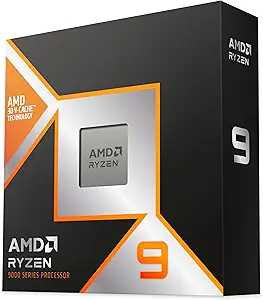 | AMD Ryzen 9 9950X3D 16-Core Processor | Check Price |
Best Choice- 3  | AMD Ryzen™ 9 5900XT 16-Core, 32-Thread Unlocked Desktop Processor | Check Price |
1. AMD RYZEN 7 9800X3D 8-Core, 16-Thread Desktop Processor
Experience exceptional computing power with the AMD RYZEN 7 9800X3D desktop processor. Designed on the innovative AMD ‘Zen5’ architecture, it combines advanced technology with impressive speed to deliver outstanding performance.
The powerful 8-core, 16-thread design ensures smooth multitasking and efficient processing. Coupled with an increased clock speed reaching up to
2GHz, it handles rendering tasks and complex computations with ease.
Built with next-generation 3D V-Cache technology, this processor boasts a substantial 96MB L3 cache. This large cache size improves thermal performance and supports higher clock rates over previous generations.
With a base speed of 7 GHz and power efficiency at 140 watts, this CPU balances performance and thermal control effectively.
External cooling solutions are required, offering flexibility in choosing cooling systems based on individual needs. The Ryzen 7 9800X3D excels under workloads like Blender rendering, video editing, and gaming, making it ideal for creators and power users alike.
Compared to similar processors, it delivers an approximately 16% increase in instructions per cycle (IPC), ensuring rapid and responsive performance. Overall, it offers a compelling blend of speed, core count, and cache memory for users focused on productivity and entertainment applications.
Pros
- High 96MB L3 cache with advanced 3D V-Cache for faster data access
- Strong 8-core, 16-thread setup for multitasking and intensive workloads
- Supports overclocking up to 5.2GHz with good power efficiency
Cons
- Requires an external cooling system as no cooler is included
The AMD RYZEN 7 9800X3D is a robust choice for users demanding high performance in rendering, gaming, and content creation. It combines advanced technology with practical features to enhance overall system capability.
| Specification | Details |
|---|---|
| Processor Series | Ryzen 7 |
| Processor Speed | 4.7 GHz (Base) |
| Max Clock Speed | Up to 5.2 GHz |
| Processor Socket | Socket AM5 |
| Core Count | 8 Cores |
| Threads | 16 Threads |
| Cache Memory | 104 MB (96MB L3 + 8MB Secondary) |
| Wattage/TDP | 140 Watts |
| Cooling Method | External Cooler Required |
| Platform Compatibility | Windows 11 |
This processor proves to be an excellent investment for professionals seeking fast render times and responsive system operation. Its combination of a high thread count, significant cache, and advanced architecture provides smooth performance even under heavy loads.
2. AMD Ryzen 9 9950X3D 16-Core Processor
Experience cutting-edge performance with the AMD Ryzen 9 9950X3D, designed for both gaming and content creation. Featuring 16 cores and a peak boost clock of up to 7 GHz, it delivers remarkable speed and responsiveness for demanding workloads.
This processor merges innovation and power, making complex rendering tasks feel effortless.
Whether working on intensive Blender projects or multitasking across applications, this CPU responds swiftly to every command. Its architecture is built on the Zen 5 platform, providing improved efficiency and reliability. Ideal for desktop setups, it brings desktop enthusiasts and creative professionals a new level of computing power.
The AMD Ryzen 9 9950X3D offers a blend of advanced technology and robust specifications. With a base clock speed of 3 GHz, it maintains excellent performance even under sustained loads.
The processor includes an impressive 144 MB cache, which helps reduce latency and accelerates data retrieval during intensive processing tasks.
At 170 watts, the wattage aligns with high-performance standards, balancing power consumption and output. This 16-core chip supports modern Socket AM5 motherboards, ensuring compatibility with the latest platforms. Users will appreciate its seamless integration with Windows-based systems and its ability to manage concurrent threads efficiently.
Crafted for both gamers and creators, the processor excels in rendering complex 3D models and video edits. Its build quality reflects AMD’s commitment to durability and innovation. The 16-core design allows multitasking without compromise, making it a smart choice for demanding applications.
The 16-core design allows multitasking without compromise, making it a smart choice for demanding applications. While comparable options exist, the Ryzen 9 9950X3D stands out for its exceptional cache size and high boost clock, offering an edge in rendering and gaming tasks.
Pros
- High 5.7 GHz max boost clock speeds for rapid processing.
- Large 144 MB cache enhances data access and reduces latency.
- 16-core design perfect for multitasking and complex rendering tasks.
Cons
- 170 watts power consumption requires adequate cooling solutions.
This processor offers strong value through balanced power, speed, and reliability, catering well to creators and gamers demanding high performance. Its capabilities make it a reliable choice for creative workflows, gaming, and multitasking needs.
| Specification | Details |
|---|---|
| Processor Model | AMD Ryzen 9 9950X3D |
| Core Count | 16 |
| Base Clock Speed | 4.3 GHz |
| Max Boost Clock | Up to 5.7 GHz |
| Architecture | Zen 5 (Granite Ridge) |
| Processor Socket | Socket AM5 |
| Cache Size | 144 MB |
| Power Consumption | 170 watts |
| Platform Compatibility | Windows |
For users seeking a high-core-count CPU with a large cache and competitive clock speeds, this model delivers well above expectations. It balances performance with cutting-edge architecture in a way few competitors manage.
3. AMD Ryzen™ 9 5900XT 16-Core, 32-Thread Unlocked Desktop Processor
Experience a new level of computing power with the AMD Ryzen™ 9 5900XT, designed to handle demanding tasks effortlessly. With 16 cores and 32 threads, it brings speed and efficiency to creative workflows and gaming alike. This processor combines robust architecture and high clock speeds for smooth multitasking.
Built on the advanced Zen 3 technology, the Ryzen 9 5900XT ensures superior processing capabilities. It supports DDR4-3200 memory and PCIe
0, enhancing overall system responsiveness. Overclocking options provide flexibility for users seeking extra performance.
The AMD Ryzen™ 9 5900XT stands out with a maximum boost clock of 8 GHz, ensuring quick processing times for rendering and heavy-duty applications.
The 105-watt power rating balances performance with reasonable thermal output, suitable for well-ventilated setups.
This desktop processor caters well to content creators, 3D modelers, and gamers who require a powerful CPU capable of handling complex tasks. Without an included cooler, it invites customization with aftermarket cooling solutions to maximize thermal management.
0 standards, raising compatibility potential.
The Ryzen 9 5900XT delivers remarkable multitasking capabilities, making demanding applications like Blender rendering well within reach for a smooth experience. Installation is straightforward for users familiar with desktop components. Overall, it balances power, speed, and expanded capabilities for anyone seeking high-end desktop performance.
Pros
- High core and thread count for efficient multitasking
- Supports PCIe 4.0 and DDR4-3200 memory standards
- Unlocked for overclocking to boost performance further
Cons
- Cooling solution not included, requires aftermarket cooler
The AMD Ryzen™ 9 5900XT offers a powerful combination of speed, cores, and modern features tailored for demanding computing tasks. Its performance edge makes it particularly well-suited for creative work and gaming.
| Specification | Details |
|---|---|
| Processor Series | Ryzen 9 |
| Processor Speed | 3.3 GHz (Base), 4.8 GHz (Max Boost) |
| Processor Socket | Socket AM4 |
| Cache Memory | 72 MB (Total Cache) |
| Core Count | 16 |
| Thread Count | 32 |
| Wattage | 105 watts |
| Memory Support | DDR4-3200 |
| Platform | Windows 11 |
| Cooling Method | Aftermarket cooler required |
This processor competes closely with other high-end CPUs in the Ryzen 5000 series and Intel’s Core i9 lineup. It provides strong value through its core count and overclocking abilities.
For users focused on rendering and multitasking, it delivers dependable speed and responsiveness. Choosing a quality cooler enhances its capabilities further, shaping a reliable high-performance desktop build.
4. Intel® Core™ i9-14900K Desktop Processor

Experience unparalleled processing power with the Intel® Core™ i9-14900K Desktop Processor, designed to push your computing limits. Whether gaming or handling intensive tasks, this processor delivers seamless performance and responsiveness. Its advanced architecture balances power and efficiency for a superior user experience.
With 24 cores and 32 threads, multitasking becomes effortless, and demanding applications run smoothly. Integrated Intel UHD Graphics 770 enriches your visuals without the immediate need for a separate GPU, making it versatile for different setups.
Equipped with a top clock speed reaching up to 0 GHz, this processor brings your games and creative projects to life with excellent frame rates and quick load times.
Compatibility with both DDR4 and DDR5 RAM options allows flexible customization based on your system needs and budget.
The processor supports Intel 600-series and 700-series chipset motherboards, expanding upgrade possibilities. Its design prioritizes efficiency, managing demanding workflows without compromise or overheating issues.
Ideal for gamers, content creators, and professionals working with rendering software like Blender, it handles parallel processing tasks with ease. The LGA 1700 socket supports a broad range of components, ensuring future-proofing within Intel’s platform ecosystem.
Pros
- Powerful 24-core, 32-thread configuration for heavy multitasking
- High max clock speed of up to 6.0 GHz for smooth performance
- Supports both DDR4 and DDR5 memory for versatile system builds
Cons
- High wattage (250W) may require robust cooling solutions
The Intel® Core™ i9-14900K stands out as a formidable choice for anyone needing robust processing for gaming or creative software. It combines speed, efficiency, and adaptability in one processor, fitting seamlessly into modern desktop builds.
| Specification | Details |
|---|---|
| Processor Series | Core i9 |
| Processor Speed | 6 GHz (Max Clock Speed) |
| Processor Socket | LGA 1700 |
| Core Count | 24 (8 P-cores + 16 E-cores) |
| Thread Count | 32 |
| Cache Memory | 20 MB Secondary Cache |
| Graphics | Integrated Intel UHD Graphics 770 |
| Wattage | 250W |
| Platform | Windows 11 Compatible |
This processor is a solid recommendation for users seeking high performance in rendering and gaming. It caters well to demand-heavy tasks while maintaining flexibility for future upgrades. Users upgrading from previous Intel generations will notice significant improvements in speed and multitasking capabilities.
Users upgrading from previous Intel generations will notice significant improvements in speed and multitasking capabilities.
5. Intel® Core™ Ultra 7 Processor 270K Plus 24 cores (8

Powerful and adaptive, the Intel® Core™ Ultra 7 Processor 270K Plus offers exceptional performance for demanding creative and gaming tasks. Its advanced architecture and high clock speeds make it an excellent choice for users seeking reliable and fast computing power.
Designed to handle intensive workloads, this processor efficiently balances multi-core processing and boosted frequencies. It provides smooth responsiveness across various applications. The combination of 24 cores ensures multitasking and rendering tasks run seamlessly.
Equipped with 8 Performance cores and 16 Efficient cores, the processor balances power and energy efficiency. It supports Intel 800 series chipset motherboards with the LGA1851 socket, enabling PCIe
0/0 and DDR5 memory at speeds up to 7200 MT/s. This configuration supports both speed and bandwidth for demanding workflows.
The Intel Core Ultra 7 achieves turbo frequencies up to 5 GHz.
Additionally, the unlocked design allows fine-tuning to match specific system requirements when paired with compatible chipsets.
Its thermal design with a 125W base and a 250W max turbo power rating sustains heavy use without throttle issues. Cooling via air keeps the processor stable under extended sessions.
This combination benefits creators and gamers who rely on consistent performance without compromise.
For users focused on creative applications like Blender rendering, this processor handles complex scenes efficiently thanks to abundant cores and threads. It also suits power users who demand high multitasking capabilities. The balance between speed, cores, and future-proof platform features makes it a valuable upgrade option.
Pros
- High core count with 24 cores (8 P-cores + 16 E-cores) for multitasking and rendering
- Supports PCIe 5.0 and DDR5 up to 7200 MT/s for enhanced data throughput
- Turbo boost clocks up to 5.5 GHz for peak performance during intensive tasks
Cons
- Higher power consumption may require efficient cooling solutions
This processor is a compelling choice for users aiming to maximize their system’s potential, especially for demanding content creation and gaming environments. It offers a blend of high core counts, fast boost speeds, and future-ready memory support, providing a balanced and powerful computing experience.
| Specification | Details |
|---|---|
| Processor Series | Intel Core Ultra 7 |
| Processor Speed | 3.7 GHz (Base) |
| Maximum Turbo Frequency | Up to 5.5 GHz |
| Processor Socket | LGA 1851 |
| Number of Cores | 24 (8 P-cores + 16 E-cores) |
| Cache Memory | 40 MB |
| Power Consumption | 125W Base, 250W Turbo |
| Cooling Method | Air cooling |
| Supported Chipsets | Intel 800 Series (LGA1851) |
| Memory Support | DDR5 up to 7200 MT/s |
From my experience, this processor performs exceptionally well in multithreaded tasks and delivers the speed needed for creative workloads. While integrating it requires a compatible motherboard and attention to cooling, the noticeable gains in rendering and multitasking performance justify the setup effort for serious users.
6. AMD Ryzen 7 5800X3D 8-core, 16-Thread Desktop Processor with AMD

Discover exceptional performance with the AMD Ryzen 7 5800X3D processor, designed to handle demanding tasks with ease. Its innovative 3D V-Cache technology sets a new benchmark for desktop CPUs, delivering impressive speeds and responsiveness.
Whether tackling complex workloads or engaging in creative projects, this processor offers a blend of power and efficiency. It caters to users seeking high computing capability without compromise.
The AMD Ryzen 7 5800X3D comes equipped with 8 cores and 16 threads, providing robust multitasking and processing power. Featuring AMD’s pioneering 3D V-Cache technology, it expands cache memory to 100 MB, boosting performance in rendering and gaming scenarios.
It supports a maximum boost clock of 5 GHz and is compatible with DDR4-3200 memory, ensuring smooth execution for intensive applications.
0 on X570 and B550 motherboards.
Although a cooler is not included, pairing it with a high-performance cooling solution enhances overall stability and longevity. Its 105-watt thermal design power balances power consumption and output efficiently.
This chip is ideal for professionals, creatives, and gamers who demand rapid processing and reliable performance in rendering workloads and multitasking environments. The build quality reflects AMD’s commitment to durability and cutting-edge technology.
Pros
- Innovative 3D V-Cache technology enhancing rendering speeds
- High core and thread count for multitasking and complex workloads
- Supports PCIe 4.0 and DDR4-3200 for modern system compatibility
Cons
- Does not include a cooling solution, requiring separate purchase
Combining impressive cache size and solid clock speeds, the AMD Ryzen 7 5800X3D is a compelling choice for those focusing on rendering and gaming tasks. Its capacity to manage intensive processing makes it stand out among peers.
Below is the detailed specification for quick reference.
| Specification | Details |
|---|---|
| Processor Series | Ryzen 7 |
| Processor Speed | 4.5 GHz Max Boost |
| Processor Socket | Socket AM4 |
| Cache Memory | 100 MB |
| Processor Cores | 8 |
| Threads | 16 |
| Wattage | 105 watts |
| Platform Compatibility | Windows, Socket AM4 |
| Memory Support | DDR4-3200 |
| PCIe Version Support | PCIe 4.0 |
This processor offers a strong balance between raw performance and advanced caching technology, enhancing both rendering times and multitasking. For users seeking an upgrade from previous generation CPUs, it presents a noticeable improvement without requiring a complete system overhaul.
Its versatility fits a broad range of desktop setups.
7. AMD Ryzen 7 7800X3D 8-Core, 16-Thread Desktop Processor

The AMD Ryzen 7 7800X3D redefines desktop processing with its powerful 8 cores and 16 threads designed for demanding workloads. Built on advanced 5 nm technology, this processor boosts efficiency and speed for smooth multitasking and high-performance computing.
Combining a strong clock speed with enhanced cache memory, it handles complex tasks and graphics rendering with ease. Ideal for users who require fast execution and reliable power delivery in their daily computing or creative projects.
Equipped with eight cores and sixteen threads, this processor serves multitasking and rendering demands effectively. Its 20 GHz clock speed drives fast instruction execution, suitable for intensive applications like Blender and other creative software.
The inclusion of AMD Radeon Graphics adds capable visual performance without the immediate need for a dedicated GPU.
The chip utilizes a total of 104 MB cache memory (8 MB L2 plus 96 MB L3), improving data access times and enhancing overall system responsiveness. Thanks to its 5 nm fabrication, it achieves a balance between power consumption and output, making it both efficient and reliable for prolonged use.
With support for Windows 10 and Windows 11 platforms through the AM5 socket, it fits seamlessly into modern motherboard architectures. The processor functions with a thermal maximum of 89°C, providing stability under heavy loads. Users focused on rendering, gaming, or productivity will appreciate its blend of speed and cache capacity, positioning it as a solid option in its class.
Users focused on rendering, gaming, or productivity will appreciate its blend of speed and cache capacity, positioning it as a solid option in its class.
Pros
- High-performance 8-core, 16-thread configuration for multitasking
- Large combined cache (104 MB) ensures fast data access and responsiveness
- Integrated AMD Radeon Graphics provides good visual output without extra GPU
Cons
- Maximum operating temperature requires effective cooling solutions
The AMD Ryzen 7 7800X3D balances power and efficiency, making it a strong contender for users involved in rendering and multitasking applications. Its cache size and multi-thread capabilities distinguish it from many alternatives, delivering smooth operation for creative workloads and general computing alike.
| Specification | Details |
|---|---|
| Processor Series | Ryzen 7 |
| Processor Speed | 4.2 GHz |
| Processor Socket | Socket AM5 |
| Secondary Cache | 8 MB |
| Wattage | 120 watts |
| Cache Memory Installed Size | 104 MB |
| Processor Count | 1 |
| Processor Number of Concurrent Threads | 16 |
| Processor Core Count | 8 |
| Platform | Windows 10, Windows 11 |
For users aiming to boost productivity and tackle rendering tasks efficiently, this processor offers practical performance without reliance on top-tier GPUs. Its advanced cache and core setup provide a responsive workflow, making it well suited for those prioritizing speed and consistency during high-load operations.
8. AMD Ryzen™ 5 9600X 6-Core, 12-Thread Unlocked Desktop Processor

Experience outstanding processing power with the AMD Ryzen™ 5 9600X, designed to elevate your desktop computing. This 6-core, 12-thread CPU perfectly balances speed and efficiency, delivering consistent performance whether you’re gaming or working on demanding creative tasks.
Built on the innovative Zen 5 architecture, the Ryzen 5 9600X supports modern hardware standards and advanced overclocking options. It’s a compact powerhouse crafted for users who demand responsiveness and reliability in their systems.
The AMD Ryzen™ 5 9600X brings forward a solid blend of performance and cutting-edge technology. Sporting 6 cores and 12 threads, it handles multitasking and complex workloads smoothly.
The 4 GHz maximum boost frequency offers ample speed to tackle intensive applications and render times faster.
This processor supports DDR5-5600 memory, enhancing data throughput for better overall responsiveness. With 38 MB of combined cache memory, it efficiently manages data transfer and processing tasks.
The AM5 socket compatibility ensures future-ready upgrades and PCIe 0 support on selected motherboards.
While the CPU does not include a cooler, it allows users the flexibility to choose a cooling solution tailored to their needs. Its 65-watt power rating balances power consumption with impressive speed.
Pros
- High 5.4 GHz max boost clock for swift processing.
- Advanced Zen 5 architecture provides excellent multitasking.
- Supports latest DDR5 memory and PCIe 5.0 connectivity.
Cons
- Does not include a CPU cooler, requiring separate purchase.
This processor stands out as a compelling option for those wanting high-performance rendering and gaming capabilities in one package. Its unlockable multiplier and future-proof platform support give it a usability edge over many competitors. The Ryzen 5 9600X fits well for users aiming to build or upgrade a desktop that can handle intensive Blender rendering and everyday tasks with agility.
| Specification | Details |
|---|---|
| Processor Series | Ryzen 5 |
| Processor Speed | 3.9 GHz (Base), 5.4 GHz (Max Boost) |
| Core Count | 6 Cores |
| Thread Count | 12 Threads |
| Cache Memory | 38 MB |
| Socket Type | AM5 |
| Memory Support | DDR5-5600 |
| Wattage | 65 Watts |
| Cooling Method | Air Cooling (Cooler not included) |
| Platform Compatibility | Windows 11 |
Considering its balance of power and versatility, the Ryzen 5 9600X is a smart choice for users prioritizing smooth Blender rendering and gaming performance. It compares favorably to other mid-range CPUs by blending high clock speeds with modern architecture. Choosing this processor will provide both speed and scalability for the future.
9. AMD Ryzen™ 9 9950X 16-Core, 32-Thread Unlocked Desktop Processor

Designed to elevate desktop computing, the AMD Ryzen™ 9 9950X brings powerhouse performance to both creative projects and gaming sessions. Equipped with advanced architecture and abundant processing threads, it manages demanding tasks with remarkable ease. The chip delivers high clock speeds to sustain rapid and smooth workflows.
The chip delivers high clock speeds to sustain rapid and smooth workflows.
Balancing efficiency with speed, this processor caters to a broad set of user needs, from multitasking to rendering. Its design supports cutting-edge technologies that future-proof your system.
This makes it a solid choice for upgrading your workstation or gaming rig.
The AMD Ryzen™ 9 9950X features 16 cores and 32 threads based on the latest Zen 5 architecture, optimizing parallel processing capability. Running at a base speed of
3 GHz and boosting up to 7 GHz, it tackles intensive applications effortlessly. Its 80 MB cache assists in quick data retrieval to speed up performance further.
This processor supports DDR5-5600 memory, granting higher bandwidth essential for modern workloads. Its Socket AM5 compatibility and PCIe 0 support on select motherboards offer a future-ready platform for expansion.
0 support on select motherboards offer a future-ready platform for expansion. The CPU is unlocked, allowing experienced users to fine-tune speeds for extra power.
Although it doesn’t come with a cooler, using a liquid cooling solution is advisable to maintain optimal temperatures during heavy operation. This feature-rich CPU is ideal for users engaged in 3D rendering, video editing, and gaming, where swift calculations and multi-threading are critical. Compared to older Ryzen models, this chip provides a noticeable uplift in refresh rates and rendering times.
Compared to older Ryzen models, this chip provides a noticeable uplift in refresh rates and rendering times.
Pros
- Powerful 16-core and 32-thread configuration enhances multitasking.
- High max boost clock of 5.7 GHz improves single-threaded performance.
- Supports latest DDR5 memory and PCIe 5.0 for future scalability.
Cons
- Requires a liquid cooler for efficient thermal management, not included.
Offering robust specifications for both creative and gaming demands, the AMD Ryzen™ 9 9950X stands out as a versatile option for power users. Its strong multi-threading and fast clock speeds deliver impressive real-world results across varied applications.
| Specification | Details |
|---|---|
| Processor Series | Ryzen 9 |
| Processor Speed | 4.3 GHz (Base), 5.7 GHz (Max Boost) |
| Processor Socket | Socket AM5 |
| Secondary Cache | 16 MB |
| Wattage | 170 watts |
| Cache Memory Installed Size | 80 MB |
| Processor Count | 16 |
| Number of Concurrent Threads | 32 |
| Processor Core Count | 16 |
| Platform | Windows 11 |
From my perspective, this CPU strikes a fine balance between raw power and modern features. It competes well against other high-end processors while offering future-proof compatibility.
Ideal for anyone looking to build a high-performance system with versatility in mind.
10. Intel® Core™ i7-14700KF New Gaming Desktop Processor 20 cores (8

Experience a high-performance computing upgrade with the Intel® Core™ i7-14700KF processor. Designed to handle gaming demands and demanding workloads, this processor balances raw power with efficient multitasking capabilities. It promises a smooth and fluid experience for users requiring speed and reliability.
It promises a smooth and fluid experience for users requiring speed and reliability.
The Intel Core i7-14700KF offers a remarkable blend of advanced features, sporting 20 cores and 28 threads to ensure excellent parallel processing. Achieving up to 6 GHz with Turbo Boost Max Technology
0, it delivers rapid responsiveness, whether gaming or rendering complex projects. Built to support both DDR4 and DDR5 memory types, it accommodates various system configurations for enhanced speed and performance.
Equipped with eight high-performance cores alongside twelve efficient cores, this processor excels at multitasking and heavy workloads, vital for rendering tasks in Blender. The LGA 1700 socket compatibility makes it suitable for Intel 600-series and 700-series motherboards, adding flexibility for upgrades.
Although it requires discrete graphics, this feature ensures users select GPUs that best fit their needs.
The processor’s 33 MB cache supports faster data access, contributing to its swift execution speeds. With a power consumption rating of 125 watts, it strikes a balance between performance and efficiency. The Windows 11 platform compatibility ensures users benefit from the latest software improvements and security features.
The build quality follows Intel’s high standards, providing durability and consistent operations under demanding loads. Ideal for gamers and professionals who work on graphics-intensive applications, this processor delivers reliable compute power without compromise. It is especially suited for those engaging in Blender rendering tasks, offering excellent performance per core and multi-thread capabilities.
Pros
- Powerful 20-core setup with 28 threads for multitasking and rendering
- Supports both DDR4 and DDR5 memory platforms for flexible upgrades
- High turbo frequency of up to 5.6 GHz for enhanced single-thread performance
Cons
- Requires discrete graphics; no integrated GPU included
The Intel Core i7-14700KF stands out as a strong candidate for those needing dependable and powerful CPU performance, particularly in creative and gaming environments. Its combination of speed, core count, and memory compatibility offers considerable versatility. Positioned against similar processors, it maintains a competitive edge by balancing high core counts with excellent single-thread speeds.
Positioned against similar processors, it maintains a competitive edge by balancing high core counts with excellent single-thread speeds.
| Specification | Details |
|---|---|
| Processor Series | Core i7 |
| Core Count | 20 (8 P-cores + 12 E-cores) |
| Threads | 28 |
| Processor Speed | Up to 5.6 GHz |
| Socket Type | LGA 1700 |
| Cache Memory | 33 MB |
| Wattage | 125 Watts |
| Platform Support | DDR4 and DDR5 |
| Operating System | Windows 11 |
From my perspective, this CPU achieves a good mix of performance and efficiency for multi-threaded tasks and gaming. It powers through creative workflows like Blender rendering without issue. Users looking for a future-proof desktop processor with versatile compatibility will appreciate the options this model provides.
11. AMD Ryzen™ Threadripper™ 7970X 32-Core, 64-Thread Processor

The AMD Ryzen™ Threadripper™ 7970X delivers exceptional multi-core performance that handles the most demanding workloads with ease. Designed for professionals requiring immense processing power, it stands out with its 32 cores and 64 threads, enabling flawless multitasking and efficiency.
Whether working on complex 3D rendering, video editing, or data-intensive applications, this processor ensures swift completion of tasks. Its high boost frequency and extensive cache support accelerate performance without compromising reliability.
This processor offers a powerful combination of speed and capacity for serious computing needs. The 32-core design with 64 threads supports simultaneous processing, cutting down rendering times and improving workflow.
Running at a base speed of 4 GHz and boosting up to an impressive 3 GHz, it handles peak workloads smoothly.
Equipped with a large 160MB cache, the CPU minimizes lag and enhances data retrieval speeds. Support for quad-channel DDR5 RDIMM memory up to 1TB adds tremendous bandwidth, while 80 usable PCIe lanes provide ample connectivity for high-speed peripherals.
The unlocked design features automatic overclocking capabilities, which tweaks performance safely for heavier tasks.
Its robust 350W TDP demands efficient cooling, though the cooler is not included. Built on a TRX50 socket platform, it supports Windows operating systems commonly used in professional settings. Overall, this CPU excels in environments where rendering speed and multitasking are priorities, suitable for digital artists, video editors, and developers requiring powerful processing resources.
Pros
- High core and thread count boosts rendering and multitasking.
- Fast 5.3 GHz max boost frequency enhances responsiveness.
- Extensive 160MB cache improves data access speeds.
Cons
- Requires a separate cooler due to high 350W power consumption.
Overall, the AMD Ryzen™ Threadripper™ 7970X provides exceptional processing power necessary for professional-level rendering and content creation. Its combination of cores, speed, and memory support makes it a solid investment for users focused on performance. Below is a summary of the technical specifications to assist your evaluation.
| Specification | Details |
|---|---|
| Processor Series | Unknown |
| Processor Speed | 4 GHz (Base), up to 5.3 GHz (Max Boost) |
| Processor Socket | TRX50 |
| Secondary Cache | 128 MB |
| Wattage | 350W |
| Cache Memory Installed Size | 160 MB |
| Processor Count | 32 |
| Number of Concurrent Threads | 64 |
| Processor Core Count | 32 |
| Platform | Windows |
From my experience, the 7970X remains a top contender for tasks requiring significant multi-threading capabilities. Its performance margins edge out many competitors, making it well worth considering if rendering speed and reliability are priorities in your workflow.
12. Intel Core i9-9900K Desktop Processor 8 Cores up to 5.0

Experience seamless performance with the Intel Core i9-9900K Desktop Processor, designed to handle demanding tasks effortlessly. Featuring 8 cores and 16 threads, it delivers exceptional multitasking capability and rapid processing speeds for complex workloads.
With clock speeds reaching up to 0 GHz, it promises smooth and efficient operation under heavy loads.
This powerful processor integrates Intel UHD Graphics 630 for reliable visual support and is compatible with Intel 300 Series chipset motherboards. Enhanced by a sizeable 16 MB cache and Intel Optane Memory support, it optimizes data access to boost responsiveness. Perfect for creative professionals and gamers alike, the i9-9900K offers robust power for intensive computing needs.
The Intel Core i9-9900K excels in delivering high-speed performance through its 8 physical cores and 16 concurrent threads, enabling fast rendering and multitasking. Its base clock of
6 GHz can scale up to an impressive 0 GHz with Turbo Boost technology, ensuring shorter processing times for rendering projects or gaming sessions.
Built on the LGA 1151 socket platform, it seamlessly fits compatible desktop motherboards, offering stability and reliability in operation. The 16 MB cache significantly reduces latency by storing frequently accessed data for quick retrieval, enhancing overall system responsiveness. Additionally, the integrated Intel UHD Graphics 630 provides reliable onboard graphics support, reducing the need for a dedicated GPU in some scenarios.
Additionally, the integrated Intel UHD Graphics 630 provides reliable onboard graphics support, reducing the need for a dedicated GPU in some scenarios.
Ease of use is enhanced by unlocked cores, allowing overclocking for users seeking additional performance tuning. The processor supports Intel Optane Memory, which further accelerates storage performance by caching frequently used files. This combination of features makes the i9-9900K especially suitable for professionals engaged in 3D rendering, video editing, and gaming, where both speed and multitasking matter greatly.
This combination of features makes the i9-9900K especially suitable for professionals engaged in 3D rendering, video editing, and gaming, where both speed and multitasking matter greatly.
Pros
- High clock speeds up to 5.0 GHz for fast processing
- 8 cores and 16 threads improve multitasking and rendering
- Supports Intel Optane Memory for enhanced storage performance
Cons
- Compatibility limited to motherboards with Intel 300 Series chipsets
With its powerful multi-core architecture and advanced features, the Intel Core i9-9900K is a strong choice for users demanding reliable performance in rendering and multitasking applications. It balances speed and efficiency, making it an excellent component for high-performance desktop builds.
| Specification | Details |
|---|---|
| Processor Series | Core i9 |
| Core Count | 8 |
| Thread Count | 16 |
| Base Frequency | 3.6 GHz |
| Max Turbo Frequency | 5.0 GHz |
| Cache | 16 MB |
| Socket | LGA 1151 |
| Wattage | 95 Watts |
| Integrated Graphics | Intel UHD Graphics 630 |
| Platform | Desktop |
In my view, this processor delivers a strong balance between core count and clock speed, particularly suitable for demanding creative workflows. While newer generations might offer incremental improvements, the i9-9900K remains a dependable option for users focusing on rendering and multitasking without requiring the latest hardware.
Its broad compatibility with Intel 300 series motherboards adds flexibility for system builders aiming for high performance.
Top CPUs for Blender Rendering: Best Picks 2024
Software optimization and features
When selecting the best cpu for blender rendering, paying attention to how well Blender leverages specific cpu architectures can make a significant difference. Modern processors that support advanced instruction sets such as AVX, AVX2, and AVX512 tend to accelerate rendering tasks by enabling more efficient data processing.
In addition to raw clock speed and core count, the ability of a cpu to handle multithreading and hyperthreading plays a key role in maximizing rendering performance, as Blender is designed to distribute workloads across multiple threads effectively. Understanding these software-level optimizations helps in choosing a processor that not only boasts strong specifications but also aligns well with Blender’s computational demands, resulting in faster render times and smoother project workflows.
Cpu performance and rendering speed
When selecting a processor suitable for Blender rendering, paying attention to the number of cores and threads can greatly influence the efficiency of rendering tasks. A higher core count combined with support for multiple threads allows the CPU to handle more simultaneous processes, speeding up complex computations Blender requires. The clock speed of the processor also plays a role, as faster speeds reduce the time taken for individual calculations, which can improve responsiveness during modeling and animation.
The clock speed of the processor also plays a role, as faster speeds reduce the time taken for individual calculations, which can improve responsiveness during modeling and animation. However, Blender benefits from both single-core and multi-core performance; while rendering tasks typically leverage multiple cores, certain operations and viewport interactions perform better on processors with strong single-core capabilities. Balancing these factors based on your specific workflow—whether rendering detailed scenes or working interactively—will help in selecting a processor that enhances both the quality and speed of your projects.
Budget and value for money
When selecting a processor for Blender rendering, balancing the price to performance ratio plays a significant role in making a satisfying purchase. Processors that offer multiple cores and threads tend to enhance rendering speeds, but the cost can rise quickly, so evaluating how much processing power is necessary for your typical projects helps in aligning the choice with current needs without overspending.
Considering futureproofing can also be beneficial since investing in a slightly more powerful CPU may extend its usefulness as rendering software continues to evolve. Comparing the expense of CPUs to GPUs for rendering tasks reveals that while GPUs often excel in raw rendering performance especially in certain Blender cycles, CPUs provide versatility across various workloads and can sometimes be more cost-effective depending on the specific use case. Ultimately, finding a balance between performance requirements and budget constraints ensures a value-packed investment tailored to your Blender rendering demands.
System integration and upgradability
Choosing a CPU for Blender rendering involves understanding how it will fit within your existing computer setup and what opportunities it offers for future upgrades. Compatibility with the motherboard socket and chipset affects whether the processor can work with your current hardware without requiring extensive replacements. Paying attention to the CPU platform’s upgrade paths helps determine how long you can extend the system’s lifespan by swapping processors without changing other components.
Another important aspect is how the new CPU might influence the power supply demands and cooling requirements. High-performance processors tend to draw more power and generate extra heat, so ensuring your power supply unit can handle the load and your cooling system is adequate will help maintain stability and longevity.
Balancing these factors allows a more seamless integration and smoother upgrades down the line, making the overall computing experience more reliable and adaptable to evolving needs.
Compatibility and platform
Selecting the best cpu for blender rendering involves paying attention to several key features that impact performance and stability. The processor should support the latest motherboard sockets and chipsets to provide future upgrade paths and ensure smooth integration with other system components. RAM compatibility and the maximum supported memory are particularly important since Blender tasks often demand significant memory resources for complex scenes.
RAM compatibility and the maximum supported memory are particularly important since Blender tasks often demand significant memory resources for complex scenes. Choosing a CPU that can handle ample RAM speeds and capacities allows for more efficient multitasking and faster rendering. Cooling solutions also play a significant role because rendering can generate considerable heat; processors with a thermal design power (TDP) that matches your cooling setup will maintain performance without throttling.
Paying attention to a CPU’s TDP helps in selecting appropriate air or liquid cooling options to keep temperatures manageable during prolonged rendering sessions, contributing to both longevity and consistent output. Taking these factors into account will lead to a better overall experience and smoother workflows when working with Blender.
Additional considerations
When selecting the best cpu for blender rendering, focusing on the core count and clock speed is key since Blender benefits from multiple cores and high frequencies to process complex scenes faster. Consider how you plan to use Blender, whether for quick animations, heavy simulations, or detailed modeling, as this will influence the performance requirements. Choosing a processor that balances power with efficient cooling is beneficial because quieter systems contribute to a better working environment and prevent thermal throttling during long rendering sessions.
It helps to pay attention to noise levels and cooling efficiency, especially if your workspace is shared or you prefer silence while working. Warranty and manufacturer support add peace of mind by protecting your investment against defects or failures, which is particularly useful when dealing with intensive workloads.
Reading reviews and gaining insights from community feedback on Blender performance can provide practical information on how different CPUs perform in real-world projects, avoiding surprises down the line. These combined factors support a smoother, more productive experience with Blender rendering and assist in making a confident, well-rounded purchase choice.
Frquently Asked Questions (FAQs)
How Does Cpu Performance Affect Rendering Speed In Blender?
CPU performance significantly impacts rendering speed in Blender because rendering is a processor-intensive task that relies heavily on the CPU’s ability to perform complex calculations quickly. A faster CPU with more cores and higher clock speeds can handle multiple rendering threads simultaneously, reducing the overall time needed to complete a render. Additionally, CPUs with better architecture and efficient cache systems enhance data processing during rendering. While Blender also utilizes GPU acceleration, CPU performance remains crucial, especially for CPU-based rendering engines like Blender’s Cycles, directly influencing how fast scenes are processed and finalized.
Is A High-Core-Count Cpu Better Than A High Clock-Speed Cpu For Blender Rendering?
A high-core-count CPU is generally better for Blender rendering because rendering tasks can be effectively parallelized across multiple cores. Blender’s rendering engine, such as Cycles, takes advantage of multiple cores to divide the workload, significantly reducing render times compared to CPUs with fewer cores. However, high clock speeds can benefit tasks that rely on single-thread performance, like viewport responsiveness and certain simulations. For pure rendering, prioritizing a CPU with more cores usually yields better performance than simply opting for a higher clock speed.
Which Cpu Offers The Best Price-To-Performance Ratio For Blender Rendering Tasks?
For Blender rendering tasks, AMD Ryzen CPUs generally offer the best price-to-performance ratio. Models like the Ryzen 9 7900X and Ryzen 7 7800X provide excellent multi-core performance at a competitive price, making them ideal for handling complex rendering workloads efficiently. These CPUs combine high core counts with strong single-thread speeds, enhancing both rendering and viewport responsiveness. Additionally, AMD’s competitive pricing and support for PCIe 5.0 and DDR5 memory ensure future-proofing, making Ryzen processors a smart choice for Blender users seeking maximum value.
What Are The Top Cpus Recommended For Blender Rendering In 202
In 2024, the top CPUs recommended for Blender rendering prioritize high core counts and strong multi-threading performance. Leading options include the AMD Ryzen 9 7950X, known for its 16 cores and 32 threads, offering excellent rendering speeds and efficiency. Similarly, the Intel Core i9-13900K with 24 cores (8 performance and 16 efficiency cores) delivers impressive performance for rendering tasks in Blender. Both CPUs balance single-thread and multi-thread performance, crucial for Blender’s diverse workloads. Users seeking optimal rendering performance should also consider cooling solutions and motherboard compatibility to maximize these processors’ capabilities.
How Do Amd And Intel Cpus Compare For Rendering In Blender?
AMD and Intel CPUs both offer strong performance for rendering in Blender, but their strengths vary. AMD’s Ryzen and Threadripper processors typically provide more cores and threads at competitive prices, which benefits multi-threaded tasks like rendering. This often results in faster render times in Blender, especially for complex scenes that utilize all available cores. Intel CPUs, on the other hand, tend to have higher single-core performance and better optimization for certain Blender features. While they may have fewer cores than AMD counterparts at similar price points, Intel chips can deliver strong performance in tasks that rely on single-thread speed. Ultimately, AMD often leads in raw rendering power, but Intel offers advantages in responsiveness and single-threaded workloads.
Final Thoughts
Choosing the best CPU for Blender rendering depends on balancing raw processing power with budget and specific project needs. High-core-count CPUs offer excellent multitasking and faster rendering times, making them suitable for users handling complex scenes or large-scale animations.
However, these models can be costly and may require robust cooling solutions. Meanwhile, CPUs with fewer cores but higher clock speeds can perform well in viewport responsiveness and general 3D modeling tasks. For those focused primarily on rendering speed in Blender, investing in a CPU that supports multi-threading effectively will provide the most noticeable improvements.
Ultimately, the best CPU for Blender rendering aligns with your workflow demands and available resources, delivering both performance and value without unnecessary overspending.