Healthy Eating on a Budget: Eat Well for Less
Healthy Eating on a Budget: Eat Well for Less
One of the biggest myths about healthy eating is that it has to be expensive. In reality, some of the most nutritious foods on earth are also among the cheapest — and with a little planning, eating well on a budget is entirely achievable. You do not need fancy superfoods or pricey health products to nourish your body.
Here are practical tips for healthy eating on a budget, the most affordable nutritious foods, and an easy budget-friendly recipe with prep time.
Is healthy eating really expensive?
It is a common belief, but it does not hold up. While trendy “superfoods” and pre-packaged health foods can be costly, the foundation of a healthy diet is built on simple, affordable staples like beans, grains, eggs, seasonal produce and frozen vegetables.
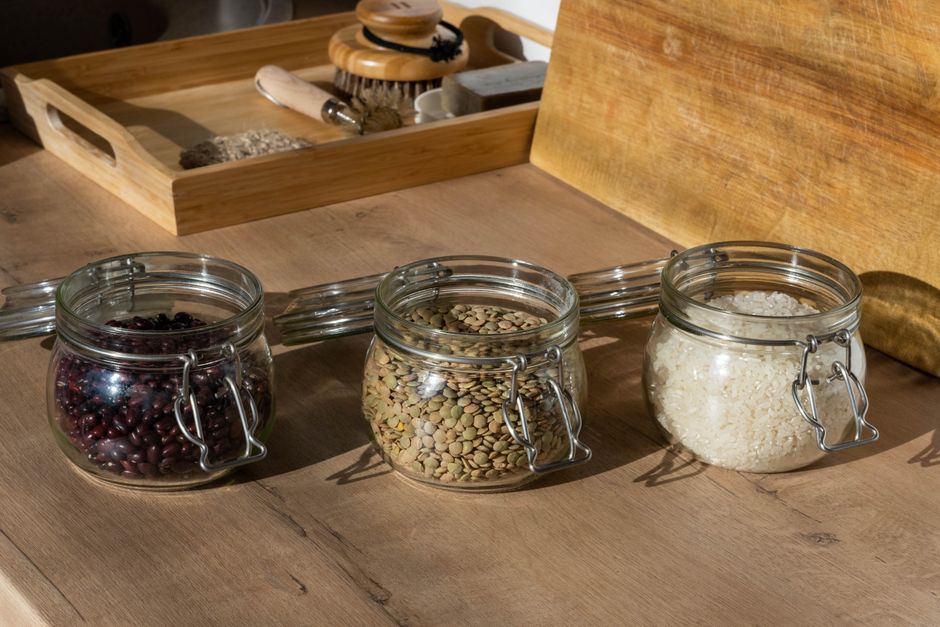
In fact, cooking these whole foods at home is often far cheaper than buying processed convenience foods or eating out. The key is knowing which nutritious foods are budget-friendly and planning your meals around them. Eating healthy on a budget is less about spending more and more about shopping and cooking smart.
The most affordable healthy foods
Some of the most nutritious foods are also wonderfully cheap.
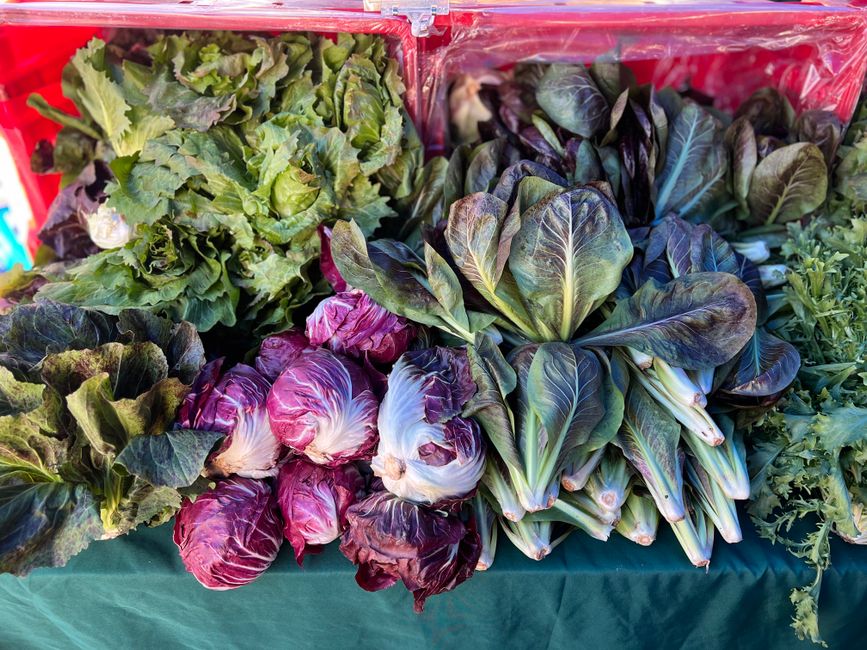
- Dried or canned beans and lentils — cheap, filling protein and fiber.
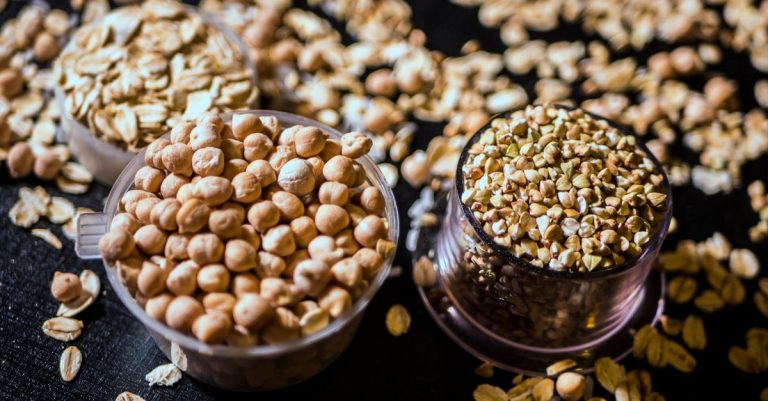
- Whole grains — oats, brown rice and quinoa in bulk.
- Eggs — an affordable, high-quality protein.
- Frozen vegetables and fruit — just as nutritious as fresh, and cheaper.
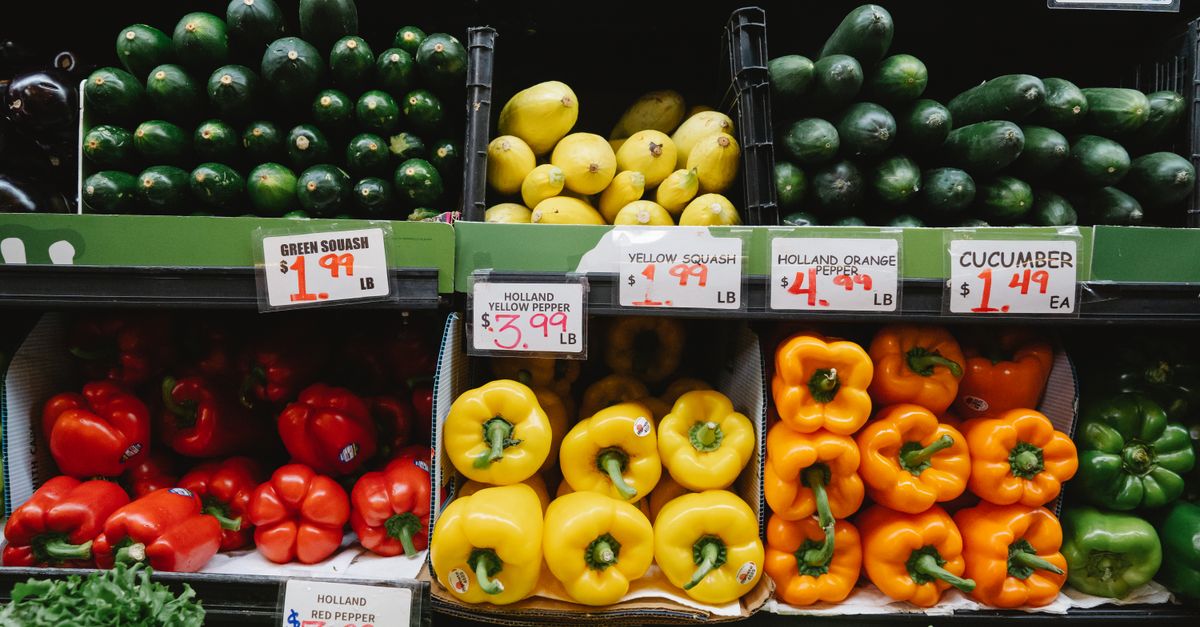
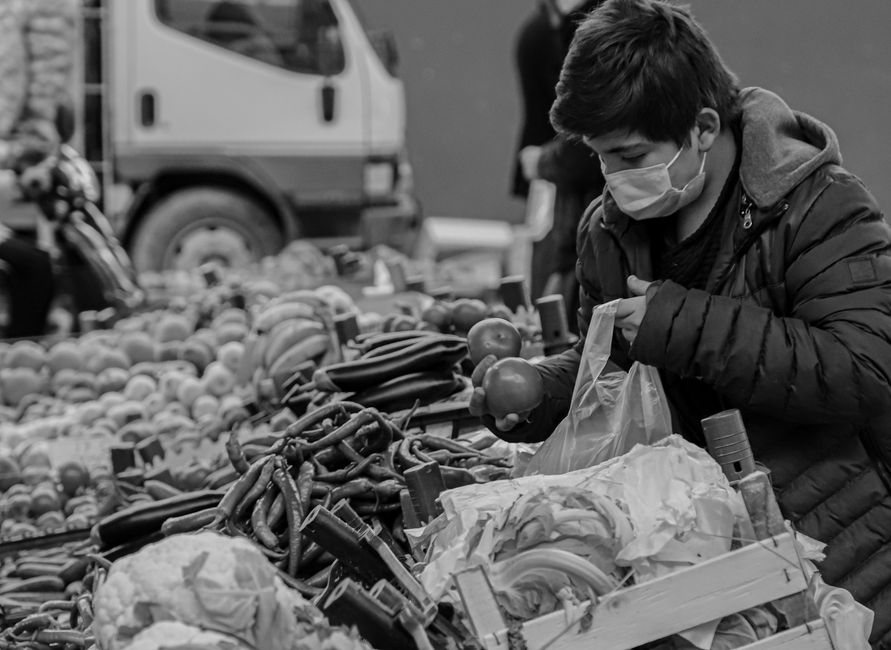
- Seasonal produce — fruits and vegetables in season cost less.
- Bananas, carrots and potatoes — nutritious staples that are always affordable.
As the American Heart Association notes, with smart planning you can eat a healthy, balanced diet without overspending.
Plan your meals and shop smart
The single most powerful budget strategy is planning. Taking a few minutes to plan your meals for the week, and writing a shopping list based on that plan, prevents impulse buys and food waste, which are two of the biggest budget drains.

Stick to your list at the store, check unit prices to find the best value, and shop the sales and seasonal produce. Buying staples like grains and beans in bulk saves money over time, and choosing store brands over name brands cuts costs with no loss in quality. A little planning goes a long way toward eating well for less.
Easy budget-friendly recipe
This simple bean bowl is cheap, filling, nutritious and endlessly adaptable to whatever you have on hand.
Ingredients
- 1 can beans, drained and rinsed
- 1 cup cooked rice or quinoa
- Frozen or fresh vegetables
- Olive oil, lemon and spices to dress
Instructions
- Combine the beans and rice or quinoa in a bowl.
- Add cooked or raw vegetables.
- Dress with olive oil, lemon and spices, and enjoy.
The power of beans and grains
If there is one duo that anchors budget-friendly healthy eating, it is beans and grains. Together, foods like beans, lentils, rice and oats are incredibly cheap, especially bought dried and in bulk, yet they are packed with protein, fiber and nutrients.
Beans and grains also complement each other to form complete protein, making them a smart, affordable way to meet your protein needs without expensive meat. They are filling, versatile and form the base of countless cheap, healthy meals around the world. Building your meals around these humble staples is the heart of eating well for less.
Cook at home and embrace leftovers
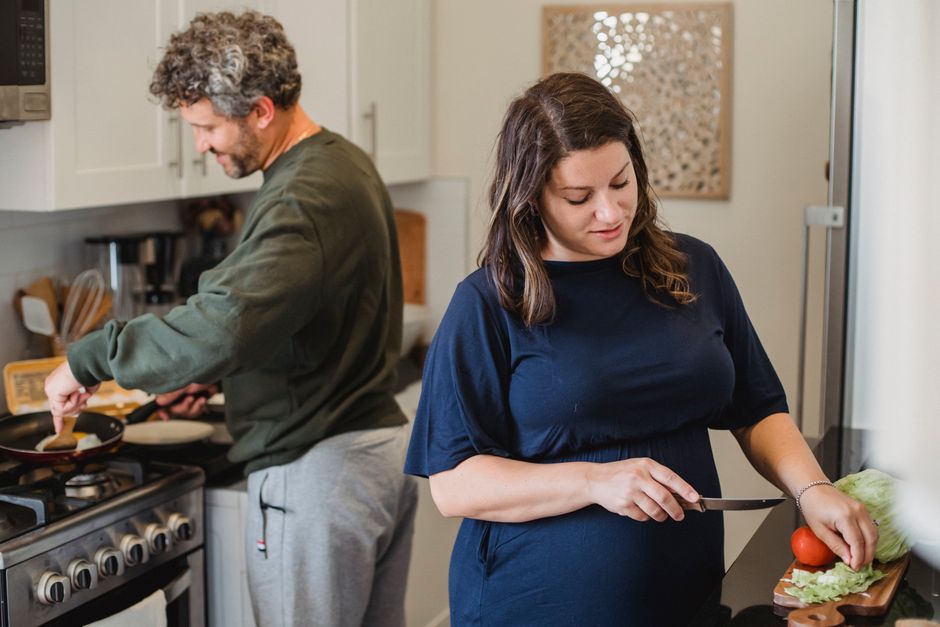
Cooking at home is one of the biggest money-savers there is, and it is healthier too, since you control exactly what goes into your food. Even simple home-cooked meals are usually far cheaper than takeout or convenience foods.
Embracing leftovers stretches your budget further: cook once and eat twice, or repurpose leftovers into new meals. Batch-cooking a big pot of soup, chili or a grain to use through the week saves both time and money. These simple habits make healthy home cooking affordable and convenient, which is closely tied to the benefits of meal prepping.
Smart ways to cut food waste
Throwing away food is like throwing away money, so reducing waste is a powerful budget tool.
- Plan around what you have — use up what is in your fridge and pantry first.
- Store food properly — to keep produce fresh for longer.
- Freeze extras — freeze leftovers and produce before they spoil.
- Use it all — turn wilting vegetables into soups, smoothies or stir-fries.
Cutting waste means more of your grocery money actually feeds you.
Budget-friendly protein sources
Protein is often the most expensive part of a meal, but you do not need pricey cuts of meat to meet your needs. Some of the most affordable protein sources are also among the healthiest.
Beans, lentils, eggs, canned fish, tofu and peanut butter all deliver quality protein for very little money. Building meals around these, and treating meat as an occasional ingredient rather than the centerpiece, keeps your protein high and your grocery bill low. It is a simple shift that makes healthy eating far more affordable.
Shop the perimeter and the freezer aisle
A classic supermarket tip is that the healthiest, most affordable whole foods are often found around the perimeter of the store — produce, eggs and dairy — while the pricier processed foods fill the center aisles. The freezer aisle deserves special love too.
Frozen fruits and vegetables are just as nutritious as fresh, usually cheaper, and they last for months without spoiling, which cuts food waste. Stocking your freezer with frozen produce means you always have healthy ingredients on hand at a budget-friendly price.
Eating healthy on a budget is not only possible — it is often cheaper than the alternative. By building your meals around affordable staples like beans, grains, eggs, frozen produce and seasonal vegetables, planning ahead, cooking at home and cutting food waste, you can nourish your body well without overspending. Healthy eating is not a luxury reserved for big budgets; with a little smart planning, it is within everyone’s reach.
Healthy and affordable, the Green Apple way
We believe healthy food should be for everyone, made with simple, wholesome ingredients and no added sugar. Discover affordable, nourishing options with us, part of the world of healthy food in Miami.
Frequently asked questions
Is healthy eating expensive?
No — while trendy superfoods can be costly, the foundation of a healthy diet is built on affordable staples like beans, grains, eggs, frozen produce and seasonal vegetables. Cooking these at home is often cheaper than processed convenience foods.
What are the cheapest healthy foods?
Dried or canned beans and lentils, whole grains like oats and rice, eggs, frozen vegetables and fruit, seasonal produce, and staples like bananas, carrots and potatoes are nutritious and very affordable.
How do you eat healthy on a budget?
Plan your meals and shop with a list, buy staples in bulk, choose store brands and seasonal produce, cook at home, embrace leftovers, and cut food waste. These habits make healthy eating affordable.
Are frozen fruits and vegetables healthy?
Yes. Frozen fruits and vegetables are picked and frozen at peak ripeness, so they are just as nutritious as fresh, often cheaper, and they last longer, helping reduce food waste.